- Cetagory Blog Tangail Zilla, Bangladesh – Everything You Need to Know About Its History, Handloom Industry, Tourism, and Development
- BD NAME LIST
Introduction to Tangail District
Tangail Zilla is one of the major districts in central Bangladesh and plays a significant role in the country’s culture and economy. It is a part of Dhaka Division, and its central location makes it a hub for trade and travel between northern and central Bangladesh. The district spreads across a large area and has a rich blend of urban and rural life. It is especially famous for its traditional Tangail handloom sarees, which are recognized both nationally and internationally.
History of Tangail
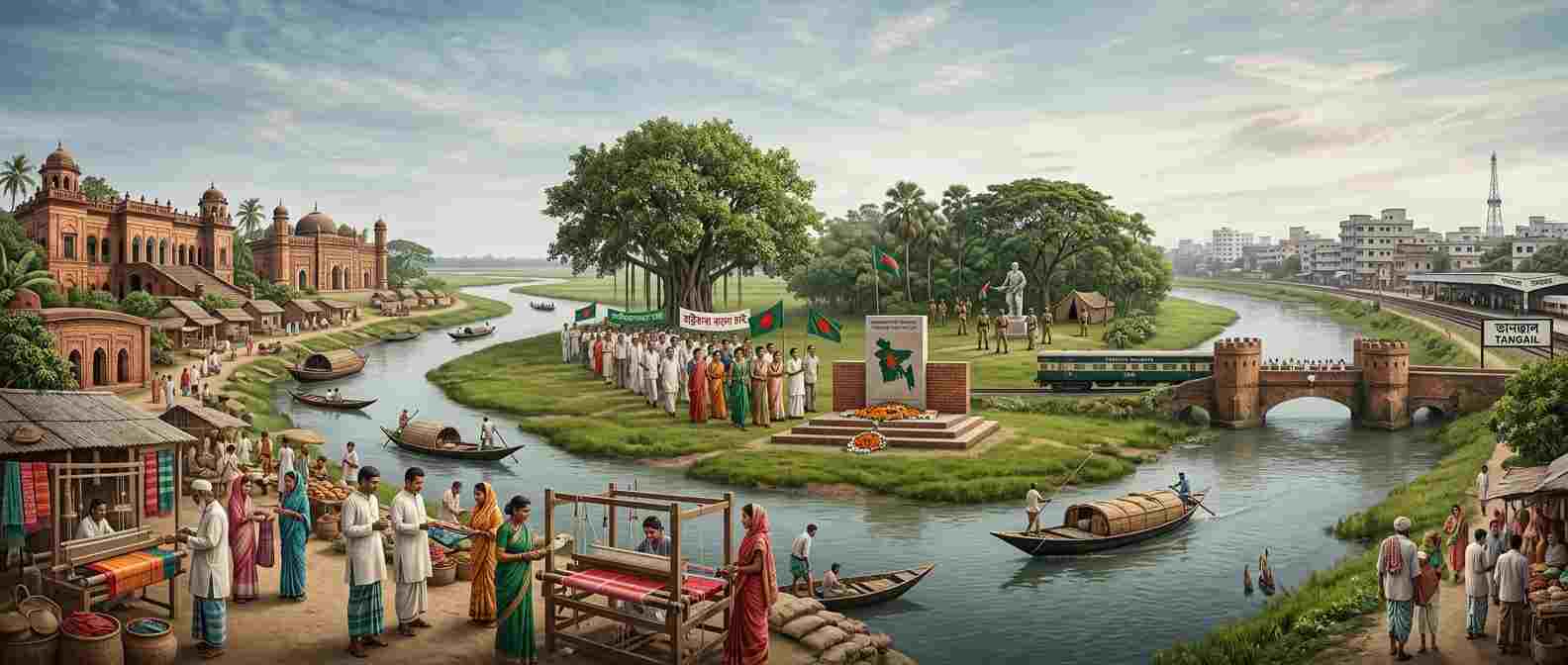
While Tangail’s ancient history is not as well documented as some other regions of Bangladesh, it was established as a district on December 1, 1969 during the East Pakistan era. Over time, Tangail became significant in both cultural movements and political history, including contributions to Bangladesh’s Language Movement and Liberation War. The district’s historical structures reflect influences from various periods, including the Mughal era and British colonial rule.
Geography and Environment
Location and Boundaries
Tangail is strategically positioned in north-central Bangladesh. It is bordered by:
-
Jamalpur District to the north
-
Mymensingh and Gazipur Districts to the east
-
Dhaka and Manikganj Districts to the south
-
Sirajganj District to the west
This central location has historically made Tangail an important transit and economic zone.
Climate
The district experiences a typical Bangladeshi tropical climate, with warm summers, mild winters, and a monsoon season providing adequate rainfall for agriculture. Average temperatures range from 12°C in winter to about 33°C in summer.
Rivers and Natural Resources
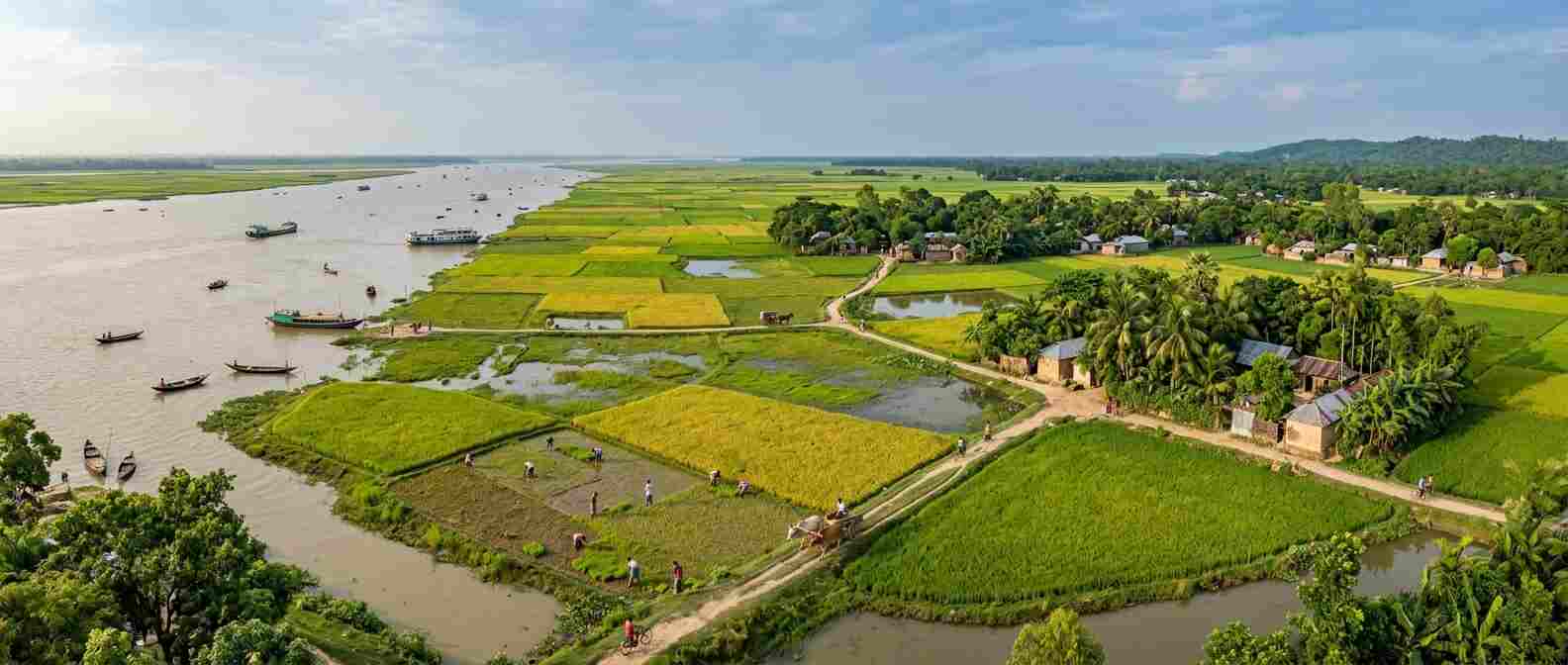
Tangail is blessed with several rivers that provide water for irrigation, fisheries, transportation, and cultural heritage. Major rivers include:
-
Jamuna (part of the Brahmaputra system)
-
Dhaleshwari
-
Louhajang
-
Bangshi
-
Jhenai
-
Turag
The district also has Madhupur National Park, one of Bangladesh’s oldest forest reserves, teeming with diverse wildlife and ecological significance.
Demographics and Society
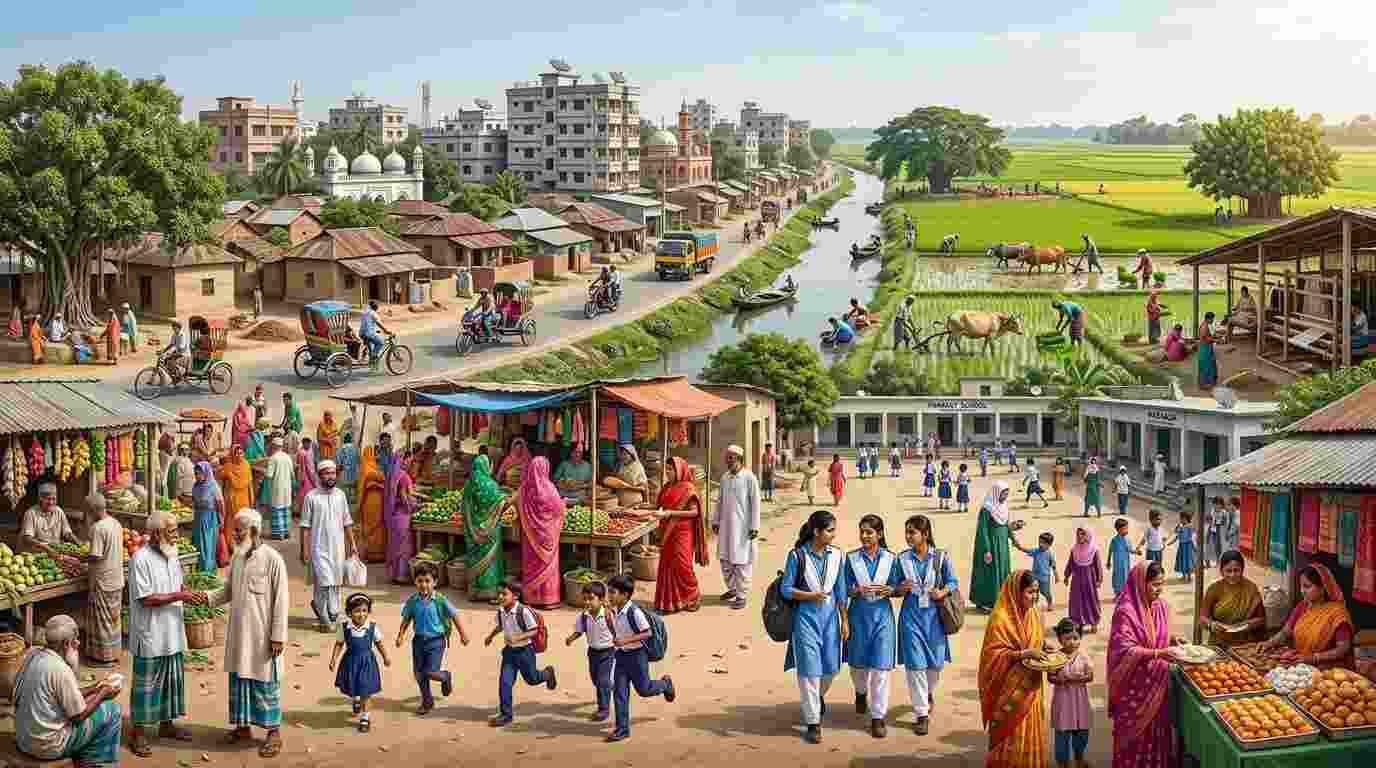
Tangail’s population is a mix of rural and urban dwellers. The district is home to people engaged in farming, weaving, small business, education, and government services. The cultural diversity of its people includes a combination of traditional Bengali values and modern lifestyles. The society reflects a blend of agrarian and artisanal heritage that contributes to Tangail’s distinct identity.
Economy of Tangail
Agriculture and Farming
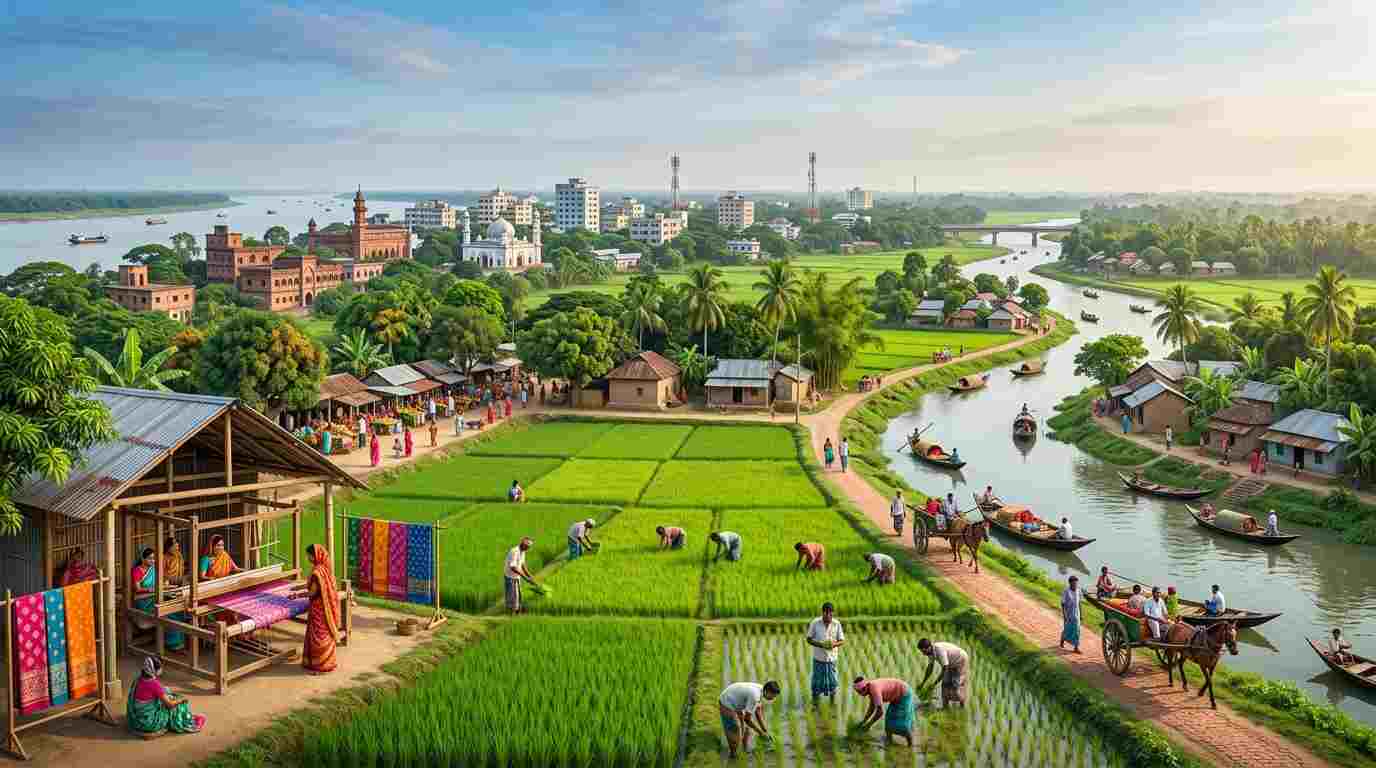
Agriculture is the backbone of Tangail’s economy. Nearly 50% of the population is involved in agricultural activities, with key products including:
-
Paddy (rice)
-
Jute
-
Sugarcane
-
Potatoes
-
Sesame
-
Linseed
-
Mustard seed and pulses
-
Fruits like mangoes, bananas, litchis, jackfruits, and pineapples.
The region’s fertile land and riverine irrigation make it one of Bangladesh’s prominent agricultural hubs.
Handloom and Textile Industry
Tangail is most famous for its handloom industry, especially the Tangail Saree — a traditional handwoven garment made of cotton and silk threads. These sarees are known for their intricate motifs and superior feel and have a strong cultural presence during weddings, festivals, and celebrations throughout Bangladesh and neighboring countries.
According to surveys, more than 60,000 looms operate in Tangail, employing over 300,000 laborers and traders in the saree industry.
Emerging Industries
While agriculture and weaving remain dominant, Tangail has developed other sectors including:
-
Textile mills
-
Poultry farms
-
Ceramic and food processing units
-
Garage and hardware trades
-
Small-scale manufacturing
These sectors are creating new job opportunities and contributing to the district’s overall economic growth.
Culture and Traditions
Language and Festivals
The predominant language in Tangail is Bengali (Bangla). The district is rich in cultural festivities, including:
-
Pohela Boishakh (Bengali New Year)
-
Eid-ul-Fitr and Eid-ul-Adha
-
Durga Puja
-
National days and independence commemorations
These festivals are celebrated with unity and cultural performances, blending traditions from rural and urban lifestyles.
Handloom Craftsmanship & Tangail Saree
Tangail’s handloom heritage is not just an economic asset but a cultural symbol. Weaver communities, many descendants of historic muslin artisans, continue the craft that defines Tangail’s global identity. There are ongoing efforts to secure UNESCO Intangible Cultural Heritage status for the Tangail saree weaving tradition.
Cuisine and Local Delicacies
Tangail has a rich culinary scene, especially known for its sweets. Local specialty sweets like Chomchom and Roshogolla are widely celebrated and attract visitors from across Bangladesh. Local markets, especially in Tangail Town, are famous for their sweet shops and traditional dishes.
Education and Institutions
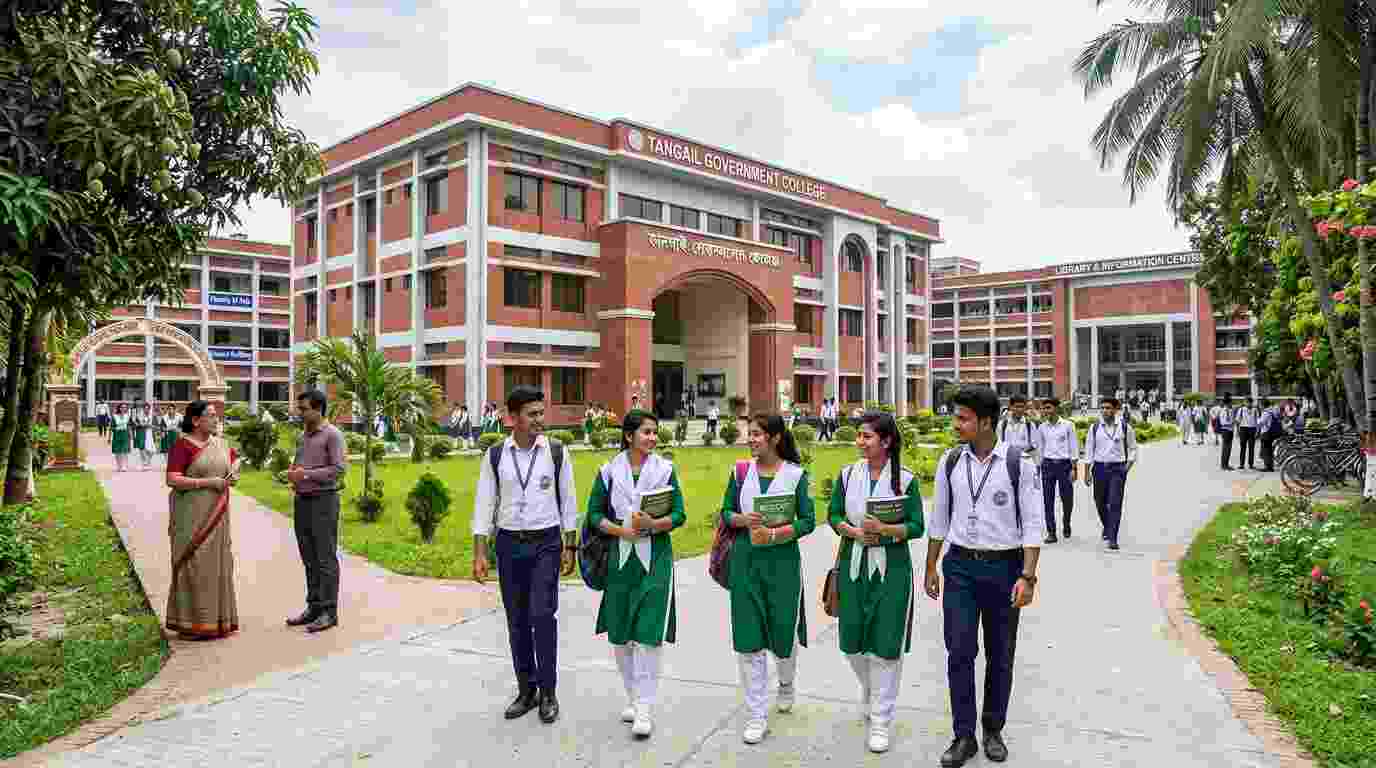
Tangail is home to reputable educational institutions such as Mawlana Bhashani Science and Technology University, along with several government and private schools, colleges, and technical institutes. These institutions contribute to a vibrant academic atmosphere and help prepare the youth for diverse careers.
Tourist Attractions in Tangail
Historical Sites
Atia Mosque
Built in the 17th century, Atia Mosque is a stunning Mughal-era construction featuring traditional Islamic architecture. Located in Delduar Upazila, it stands as a protected archaeological monument.
Pakutia Zamindar Bari
This historic zamindar palace showcases 18th-century Bengali zamindari architecture and remains a significant cultural heritage site.
Mohera Zamindar Bari
A well-preserved 19th-century palace near Mirzapur, known for its grandeur and picturesque layout.
Dhanbari Mosque
A serene historic mosque in Dhanbari Upazila, reflecting the Mughal legacy in the district.
Natural and Eco Tourism
Madhupur National Park
One of the oldest reserved forests in the country, Madhupur National Park offers nature trails, wildlife, bird watching, and a lush jungle experience unmatched in central Bangladesh.
Bangabandhu (Jamuna) Bridge
While not a traditional tourist spot, the Bangabandhu Bridge — spanning across the Jamuna River — represents a major engineering feat and offers scenic views and local pride.
Other Attractions
-
Shahid Smriti Park
-
Sagardighi and Ichamati Dighi water bodies
-
Pineapple and banana bazaars in Madhupur area
-
Riverside spots along the Jamuna and Louhajang rivers
Transportation and Connectivity
Tangail is well connected to Dhaka and other major cities by:
-
Roadways (frequent bus services)
-
Railway links connecting to Dhaka and northern regions
-
Local highways and waterways
These systems support both passenger travel and trade logistics throughout the region.
Famous Personalities from Tangail
Tangail has produced several notable figures in politics, arts, science, and culture, including:
-
Abu Sayeed Chowdhury, former President of Bangladesh
-
P.C. Sorcar, famous magician
-
Mawlana Abdul Hamid Khan Bhashani, influential political leader
These individuals represent the district’s rich contribution to national history and identity.
Modern Challenges and Future Prospects
Despite its growth, Tangail faces challenges such as:
-
Competition in the textile industry from mechanized production
-
Rising raw material costs for handloom weavers
-
Youth migration from rural areas to cities
However, development plans focusing on industry, tourism, education, and heritage preservation suggest a promising future for Tangail as a balanced and thriving district.
Tangail Zilla is a shining example of Bangladesh’s cultural heritage and economic potential. From its fertile agricultural land and historic mosques to its world-renowned handloom industry and vibrant society, Tangail offers something for everyone — whether you are a tourist, business investor, or culture enthusiast. Its unique traditions, coupled with modern development, position Tangail as an essential part of Bangladesh’s identity and future growth.

- Famous Personalities from Tangail: Celebrating the Legends of Culture, Politics, and Innovation
-
 Health - 02:00:52am 08-01-2026
- Exploring Transportation and Connectivity in Tangail: Roads, Railways, Rivers & Future Developments
-
Health - 01:54:52am 08-01-2026
-
 Blog
The Dynamics of Demographics and Society in Tangail, Bangladesh: Insights into Population Growth, Diversity, and Social Development
Blog
The Dynamics of Demographics and Society in Tangail, Bangladesh: Insights into Population Growth, Diversity, and Social Development
-
 Blogging
Education and Institutions in Tangail: A Comprehensive Overview of Academic Growth and Learning Infrastructure
Blogging
Education and Institutions in Tangail: A Comprehensive Overview of Academic Growth and Learning Infrastructure
-
 Blog
History of Tangail Zilla in Bangladesh: Ancient Past, British Era, Zamindar Heritage, and Modern Development
Blog
History of Tangail Zilla in Bangladesh: Ancient Past, British Era, Zamindar Heritage, and Modern Development
-
Blog
Famous Personalities from Tangail: Celebrating the Legends of Culture, Politics, and Innovation
-
 Blog
Natural Geography and Environmental Features of Tangail in Bangladesh: A Detailed Study of Rivers, Climate, and Biodiversity
Blog
Natural Geography and Environmental Features of Tangail in Bangladesh: A Detailed Study of Rivers, Climate, and Biodiversity