- Cetagory Blog The Dynamics of Demographics and Society in Tangail, Bangladesh: Insights into Population Growth, Diversity, and Social Development
- BD NAME LIST
Understanding Tangail: Geography and Context
Where Tangail Fits in Bangladesh
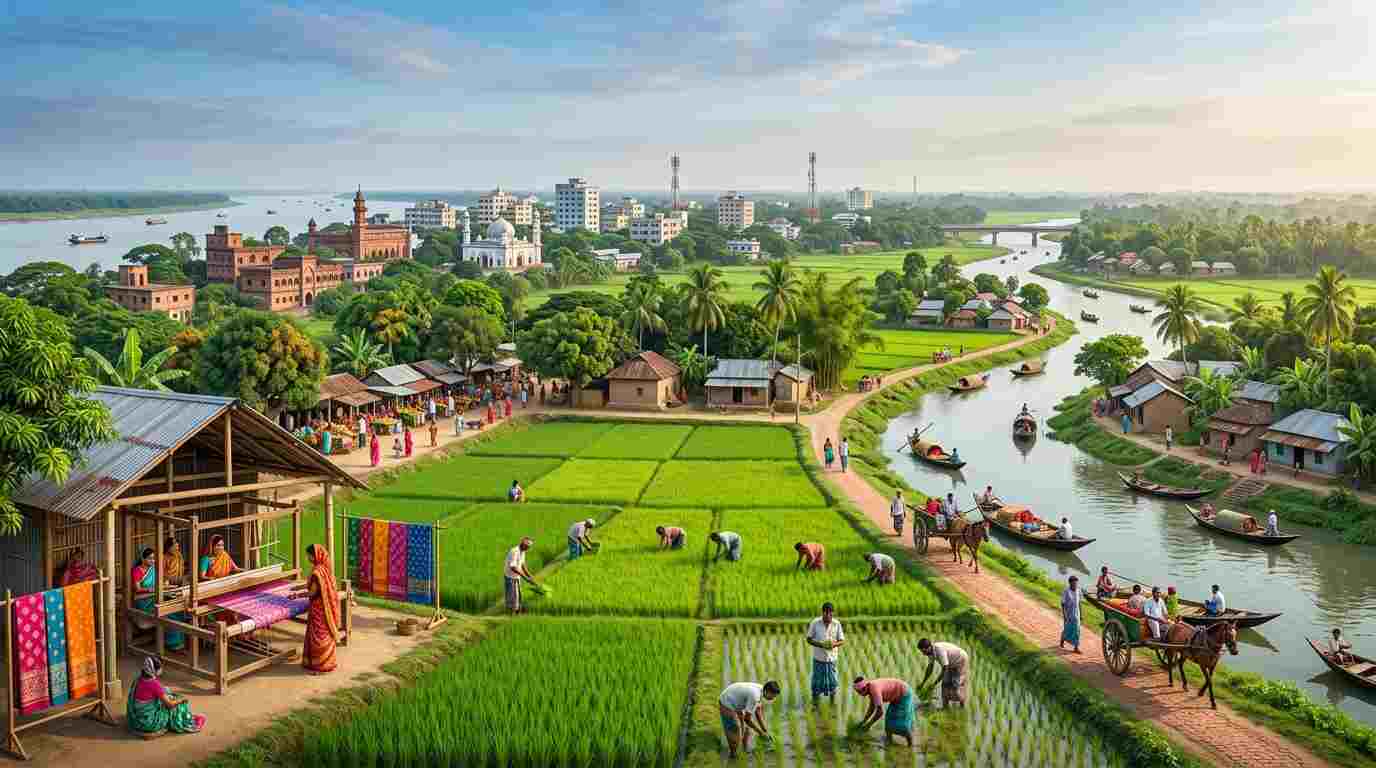
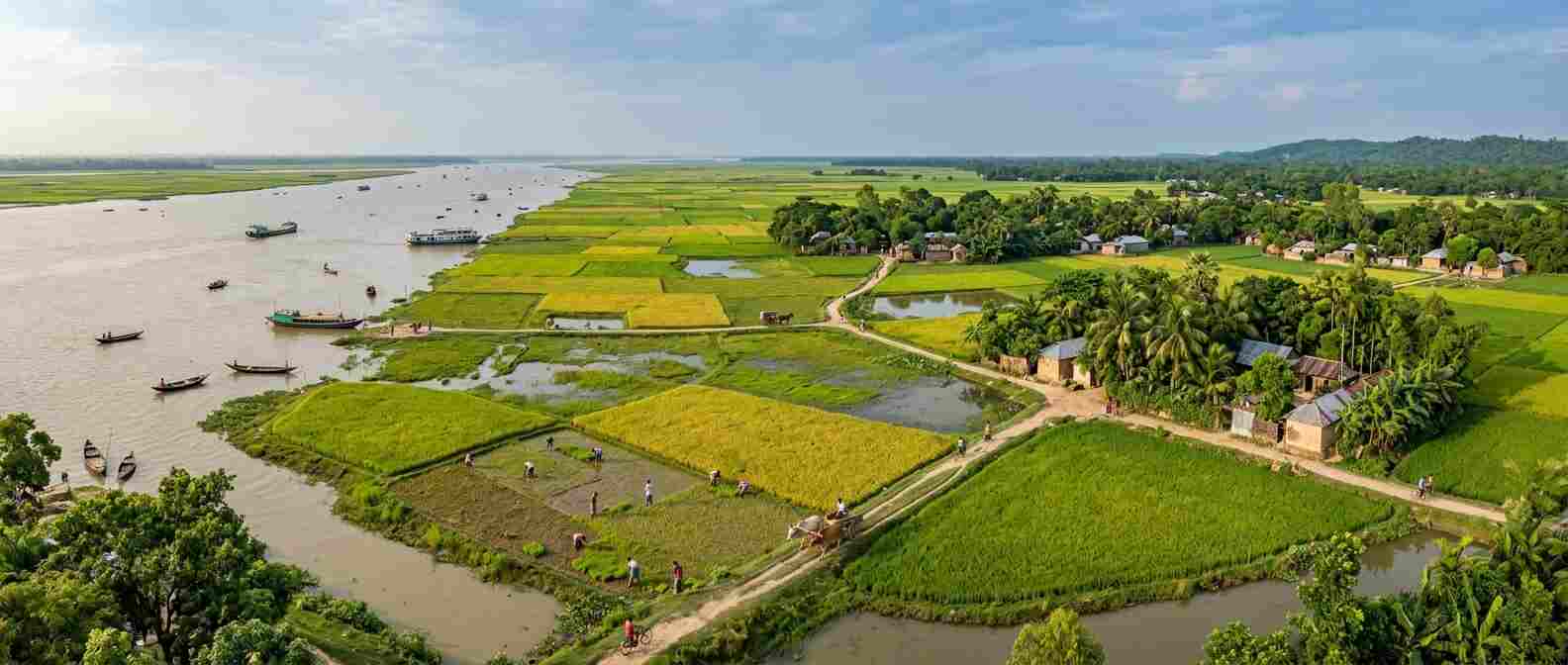
Tangail is a district situated in north-central Bangladesh within Dhaka Division. It lies on a fertile floodplain near the Jamuna River and is connected to major urban centers such as Dhaka, Mymensingh, and Jamalpur by road and rail. The district’s landscape, enriched with rivers like Dhaleshwari, Bangshi, and Louhajang, supports agriculture and influences settlement patterns and economic pursuits.
Climate and Environment
The region experiences a humid subtropical climate characterized by a hot and rainy monsoon season followed by mild, dry winters. Such climatic conditions support varied agricultural cycles but also pose challenges in terms of flood risks and climate vulnerability, impacting society and economic resilience.
Population Growth: Trends and Patterns
Rapid Demographic Expansion
According to the latest Population and Housing Census (2022), Tangail District has a population of approximately 4,037,608 people. This reflects significant growth from early censuses and highlights Tangail’s role as one of Bangladesh’s populous districts.
The average annual population growth rate in Tangail stands at around 1.01%, higher than its previous census decade, suggesting both natural increase and rural-to-urban migration contributing to this boom.
Age Structure and Demographic Momentum
The age distribution reveals a young population with a large proportion under the age of 30:
-
About 26.84% of the population is below 15 years
-
Over 51.62% is under 30 years old, indicating high demographic momentum and a future labor force with potential for economic contribution.
This youthful demographic profile places demands on education systems, healthcare services, and employment generation, shaping public policy and community needs.
Urbanization and Settlement Patterns
Shift from Rural to Urban Spaces
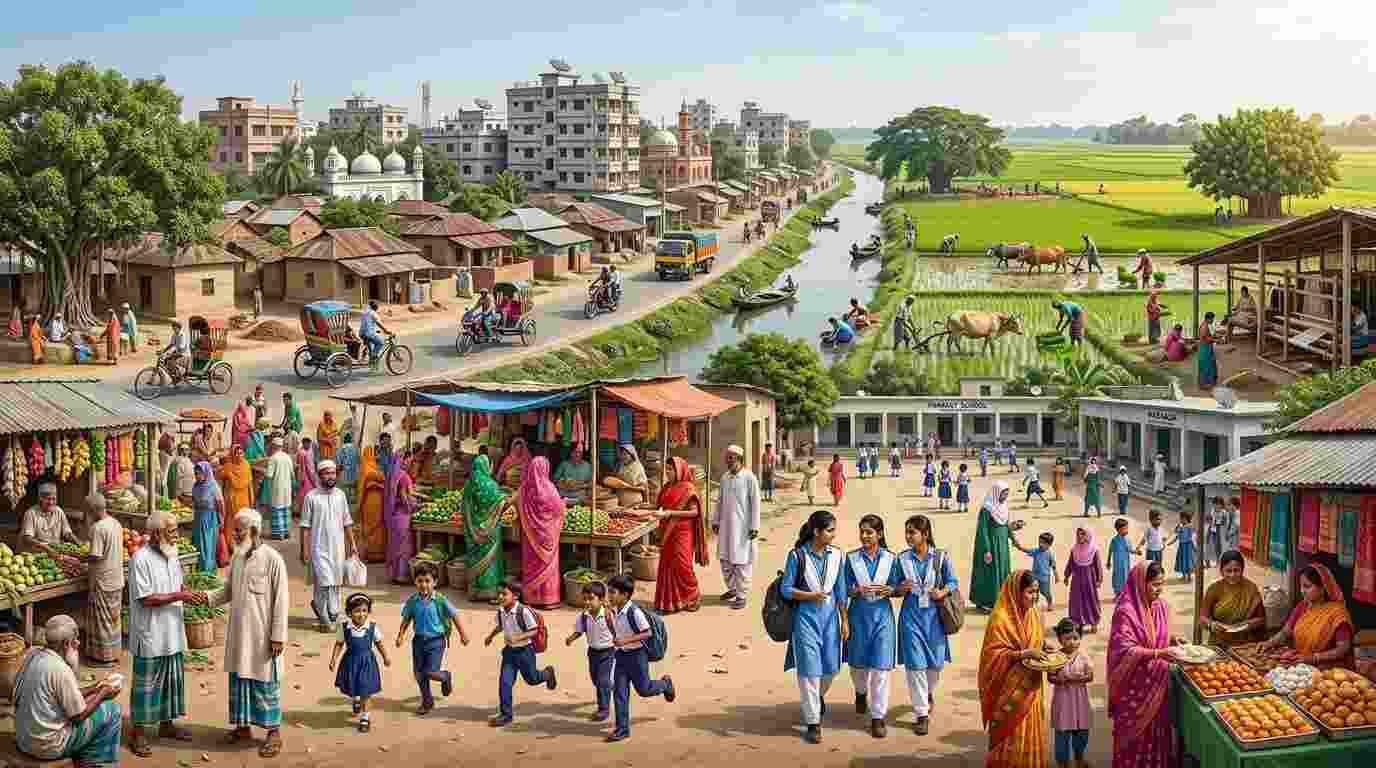
Tangail’s demographic evolution is accompanied by increasing urbanization. Approximately 22.60% of the district’s population now resides in urban areas, signaling an ongoing shift from agrarian village life to urban living.
Tangail City itself has expanded significantly, with the municipality’s population growing from about 106,004 in 1991 to 212,887 in 2022, illustrating accelerated urban growth and rising population density in the urban core.
Infrastructure and Growth Drivers
Urban expansion is driven by:
-
Economic opportunities
-
Improved transport links to Dhaka
-
Growth of educational institutions like Mawlana Bhashani Science and Technology University
-
Development of local industry sectors such as textiles and handloom weaving.
These elements make Tangail attractive for migrants seeking better livelihoods, thus reinforcing urban growth and changing land use patterns.
Diversity of Tangail: Ethnicity, Religion & Culture
Cultural Mosaic
Although predominantly Muslim, Tangail’s social fabric includes diverse minority communities, including Hindus, Buddhists, Christians, and indigenous ethnic groups such as the Garo, Barman, and Koch.
While ethnic minorities represent a small proportion of the population, their presence contributes to the cultural richness of the district and underscores Bangladesh’s broader diversity.
Religious Harmony and Social Life
Religious festivals — ranging from Eid and Durga Puja to Christmas and Buddhist observances — play a central role in community life. These celebrations foster intercultural interaction and contribute to a sense of shared identity and mutual respect.
Cultural Heritage and Handloom Identity
Tangail is world-renowned for its handloom-woven sarees, a traditional craft that embodies the district’s artistic heritage and social identity. These sarees are not only cultural icons but also support hundreds of local weaving families economically.
Efforts by weavers to attain UNESCO Intangible Cultural Heritage recognition aim to preserve this craft, reflecting how cultural tradition intersects with socio-economic realities.
Socio-Economic Development
Education and Human Capital
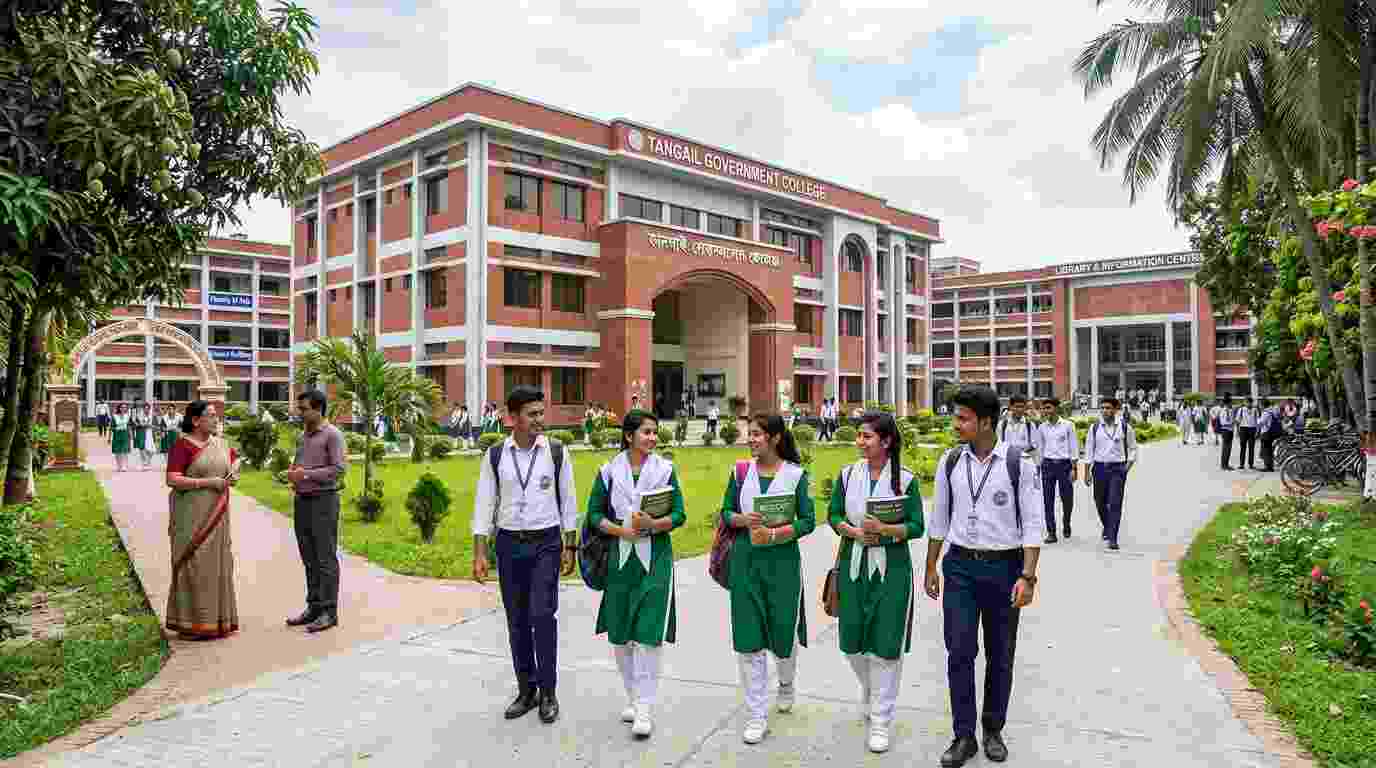
Tangail’s development trajectory is backed by an expanding educational infrastructure. The presence of multiple universities and colleges has increased educational attainment and fostered human capital.
However, while literacy rates in Tangail are improving, they still lag slightly behind the national average, a challenge for policymakers seeking equitable growth.
Economy: Agriculture, Industry and Enterprise
The district’s economy remains diverse:
-
Agriculture continues to be the backbone, producing rice, jute, potato, and sugarcane.
-
Textile and garment sectors are emerging as important contributors to employment and income.
-
Traditional crafts, especially handloom weaving, fuel both cultural tourism and export trade.
Despite these strengths, economic challenges persist, including income inequalities, seasonal vulnerabilities due to reliance on monsoon agriculture, and infrastructure needs.
Social Challenges and Inequalities
Gender Dynamics
Women and girls in Tangail, as in broader Bangladesh, face socio-economic barriers related to education, labor participation, and social norms. Efforts to improve gender equity — through education access and empowerment initiatives — remain crucial for balanced development.
Poverty and Access to Services
Rural areas still encounter limitations in healthcare, quality education, and economic opportunities. Addressing these disparities is fundamental to ensuring that the benefits of growth reach all segments of society.
Tangail’s Demographic Future
Population Projections and Planning
With its youthful population and ongoing migration trends, Tangail’s population is expected to continue growing. Strategic planning will be needed to manage:
-
Urban infrastructure
-
Job creation
-
Housing and transportation
-
Environmental sustainability
Harnessing the Demographic Dividend
The key to Tangail’s future success lies in harnessing its demographic dividend — by investing in education, skill development, and inclusive economic policies that empower young people to contribute meaningfully to society.
Conclusion
Tangail stands at a pivotal point where demographics and societal dynamics intersect with economic aspirations and cultural heritage. From its expanding population and youthful energy to the rich tapestry of traditions and community life, Tangail illustrates both the promise and challenges of development in a rapidly changing Bangladesh.
- Famous Personalities from Tangail: Celebrating the Legends of Culture, Politics, and Innovation
-
 Health - 02:00:52am 08-01-2026
- Exploring Transportation and Connectivity in Tangail: Roads, Railways, Rivers & Future Developments
-
Health - 01:54:52am 08-01-2026
-
Blog
The Dynamics of Demographics and Society in Tangail, Bangladesh: Insights into Population Growth, Diversity, and Social Development
-
 Blogging
Education and Institutions in Tangail: A Comprehensive Overview of Academic Growth and Learning Infrastructure
Blogging
Education and Institutions in Tangail: A Comprehensive Overview of Academic Growth and Learning Infrastructure
-
 Blog
History of Tangail Zilla in Bangladesh: Ancient Past, British Era, Zamindar Heritage, and Modern Development
Blog
History of Tangail Zilla in Bangladesh: Ancient Past, British Era, Zamindar Heritage, and Modern Development
-
Blog
Famous Personalities from Tangail: Celebrating the Legends of Culture, Politics, and Innovation
-
 Blog
Natural Geography and Environmental Features of Tangail in Bangladesh: A Detailed Study of Rivers, Climate, and Biodiversity
Blog
Natural Geography and Environmental Features of Tangail in Bangladesh: A Detailed Study of Rivers, Climate, and Biodiversity