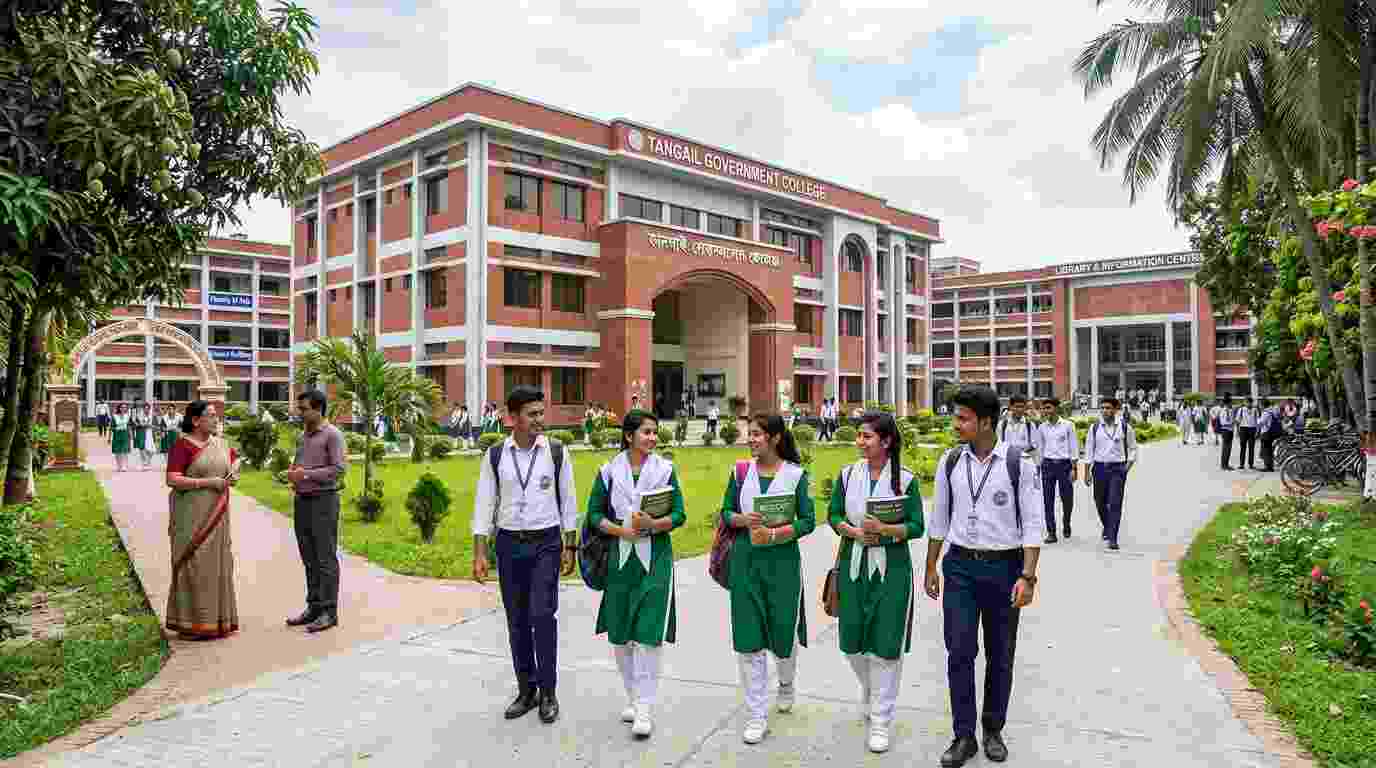
- How to Blogging Education and Institutions in Tangail: A Comprehensive Overview of Academic Growth and Learning Infrastructure
- BD NAME LIST
Historical Background of Education in Tangail
Early Education During the Colonial Period
Formal education in Tangail began during the British colonial era when missionary schools and government-supported institutions were gradually established. Early schools primarily focused on basic literacy, arithmetic, and moral education. Access was limited, and education was largely reserved for urban elites and zamindar families.
Post-Partition and Post-Independence Developments
After the partition of the Indian subcontinent in 1947 and later the independence of Bangladesh in 1971, education in Tangail expanded significantly. Government initiatives aimed at increasing literacy rates led to the establishment of numerous primary and secondary schools across rural and urban areas. The post-independence period marked a turning point, with education becoming more inclusive and accessible.
Structure of the Education System in Tangail
Primary Education
Primary education forms the foundation of learning in Tangail and is managed primarily by the government.
Government Primary Schools
-
Operate under the Ministry of Primary and Mass Education
-
Follow a national curriculum
-
Offer free textbooks and stipends
-
Serve both urban and rural populations
Non-Government Primary Schools
-
NGO-operated schools (such as BRAC schools)
-
Community-based learning centers
-
Focus on marginalized and underprivileged children
Primary education has achieved significant enrollment rates, though quality and infrastructure still vary between urban and rural regions.
Secondary Education
Secondary education in Tangail is divided into lower secondary, secondary, and higher secondary levels.
Secondary Schools (SSC Level)
-
Government and non-government high schools
-
English and Bangla medium institutions
-
Madrasas following the Dakhil curriculum
Higher Secondary Colleges (HSC Level)
-
Government colleges
-
Private colleges
-
Science, arts, and commerce streams
Tangail has several well-established colleges that attract students from neighboring districts due to their academic reputation.
Higher Education Institutions in Tangail
Mawlana Bhashani Science and Technology University (MBSTU)
MBSTU is the most prominent higher education institution in Tangail and one of the leading public universities in Bangladesh.
Academic Programs
-
Science and Engineering
-
Life Sciences
-
Business Studies
-
Social Sciences and Humanities
Research and Innovation
The university emphasizes research, innovation, and technological advancement. It plays a key role in producing skilled graduates in science and technology-related fields.
Government and Private Colleges
Tangail is home to numerous colleges that contribute to higher education.
Notable Government Colleges
-
Government Saadat College
-
Kumudini Government College
Private Colleges
-
Focus on arts, business, and general education
-
Offer flexible academic schedules
-
Cater to local students who cannot relocate
These institutions play a crucial role in expanding access to tertiary education.
Technical and Vocational Education in Tangail
Polytechnic Institutes
Technical education has gained importance in Tangail due to growing demand for skilled labor.
Tangail Polytechnic Institute
-
Offers diploma-level technical education
-
Departments include civil, electrical, mechanical, and computer technology
-
Produces workforce-ready graduates
Vocational Training Centers
Vocational institutions focus on practical skills development.
Areas of Training
-
Electrical work
-
Refrigeration and air conditioning
-
Computer operations
-
Tailoring and garment skills
These centers support employment generation and reduce unemployment among youth.
Madrasa Education System in Tangail
Types of Madrasas
Madrasa education is an integral part of Tangail’s educational landscape.
Aliya Madrasas
-
Follow government-approved curriculum
-
Combine religious and general education
-
Degrees equivalent to SSC and HSC
Qawmi Madrasas
-
Focus on Islamic theology
-
Operate independently
-
Emphasize religious scholarship
Madrasas contribute significantly to literacy and moral education, especially in rural areas.
Teacher Training and Educational Support Institutions
Teachers’ Training Colleges (TTC)
Teacher training institutions play a vital role in improving education quality.
Functions
-
Pre-service teacher training
-
In-service professional development
-
Pedagogical skill enhancement
Well-trained teachers help raise educational standards across Tangail.
Educational NGOs and Development Organizations
Several NGOs support education in Tangail.
Key Contributions
-
Adult literacy programs
-
Girls’ education initiatives
-
Dropout prevention programs
-
School feeding and stipend support
NGOs complement government efforts by addressing gaps in access and quality.
Role of Digital Education and Technology
ICT Integration in Schools
Digital learning is gradually expanding in Tangail.
Initiatives
-
Multimedia classrooms
-
Computer labs in secondary schools
-
Online teacher training
Though progress is noticeable, digital education is still limited in rural regions.
Online Learning and Coaching Centers
Private coaching centers and online platforms have become increasingly popular.
Benefits
-
Supplementary learning
-
Exam preparation
-
Access to quality instruction
These centers help students improve academic performance but also raise concerns about dependency on private tutoring.
Education for Women and Girls in Tangail
Progress in Female Education
Female participation in education has improved significantly.
Key Factors
-
Government stipends for girls
-
Free education up to secondary level
-
Awareness programs
Girls now represent a large portion of enrollment in schools and colleges.
Challenges Faced by Female Students
Despite progress, challenges remain.
Common Issues
-
Early marriage
-
Socioeconomic constraints
-
Limited access to higher education in rural areas
Continued policy support is essential to sustain gender equality in education.
Challenges in the Education Sector of Tangail
Infrastructure Limitations
Many institutions face infrastructure-related issues.
-
Insufficient classrooms
-
Poor sanitation facilities
-
Lack of science laboratories
Teacher Shortages and Quality Gaps
-
Shortage of qualified teachers
-
Uneven distribution between urban and rural areas
-
Limited professional development opportunities
Dropout Rates and Economic Barriers
-
Child labor
-
Poverty
-
Migration of families
These factors contribute to school dropout, especially at the secondary level.
Government Initiatives and Policies
Education Development Programs
The government has introduced various initiatives to strengthen education.
Major Programs
-
Free textbook distribution
-
Digital Bangladesh education initiatives
-
School stipend programs
These efforts have improved enrollment and retention rates.
Local Administration and Education Management
District-level education offices monitor schools and colleges, ensuring compliance with national standards and policies.
Future Prospects of Education in Tangail
Expansion of Higher Education
-
New academic departments
-
Research collaborations
-
Skill-based education programs
Emphasis on Technical and Skill-Based Learning
-
Industry-oriented training
-
Entrepreneurship education
-
ICT skill development
These approaches aim to align education with employment opportunities.
Sustainable and Inclusive Education Goals
The future of education in Tangail depends on:
-
Equal access for all
-
Quality improvement
-
Digital inclusion
-
Teacher capacity building
Conclusion
Education and institutions in Tangail have undergone remarkable transformation over the years. From humble beginnings during the colonial era to the establishment of universities, colleges, and technical institutes, the district has made steady progress in building a strong educational foundation. While challenges such as infrastructure gaps and rural-urban disparities persist, ongoing government initiatives, community involvement, and technological advancements offer hope for a brighter future.
- Education and Institutions in Tangail: A Comprehensive Overview of Academic Growth and Learning Infrastructure
-
 Health - 01:35:58am 08-01-2026
-
 Blog
The Dynamics of Demographics and Society in Tangail, Bangladesh: Insights into Population Growth, Diversity, and Social Development
Blog
The Dynamics of Demographics and Society in Tangail, Bangladesh: Insights into Population Growth, Diversity, and Social Development
-
Blogging
Education and Institutions in Tangail: A Comprehensive Overview of Academic Growth and Learning Infrastructure
-
 Blog
History of Tangail Zilla in Bangladesh: Ancient Past, British Era, Zamindar Heritage, and Modern Development
Blog
History of Tangail Zilla in Bangladesh: Ancient Past, British Era, Zamindar Heritage, and Modern Development
-
 Blog
Famous Personalities from Tangail: Celebrating the Legends of Culture, Politics, and Innovation
Blog
Famous Personalities from Tangail: Celebrating the Legends of Culture, Politics, and Innovation
-
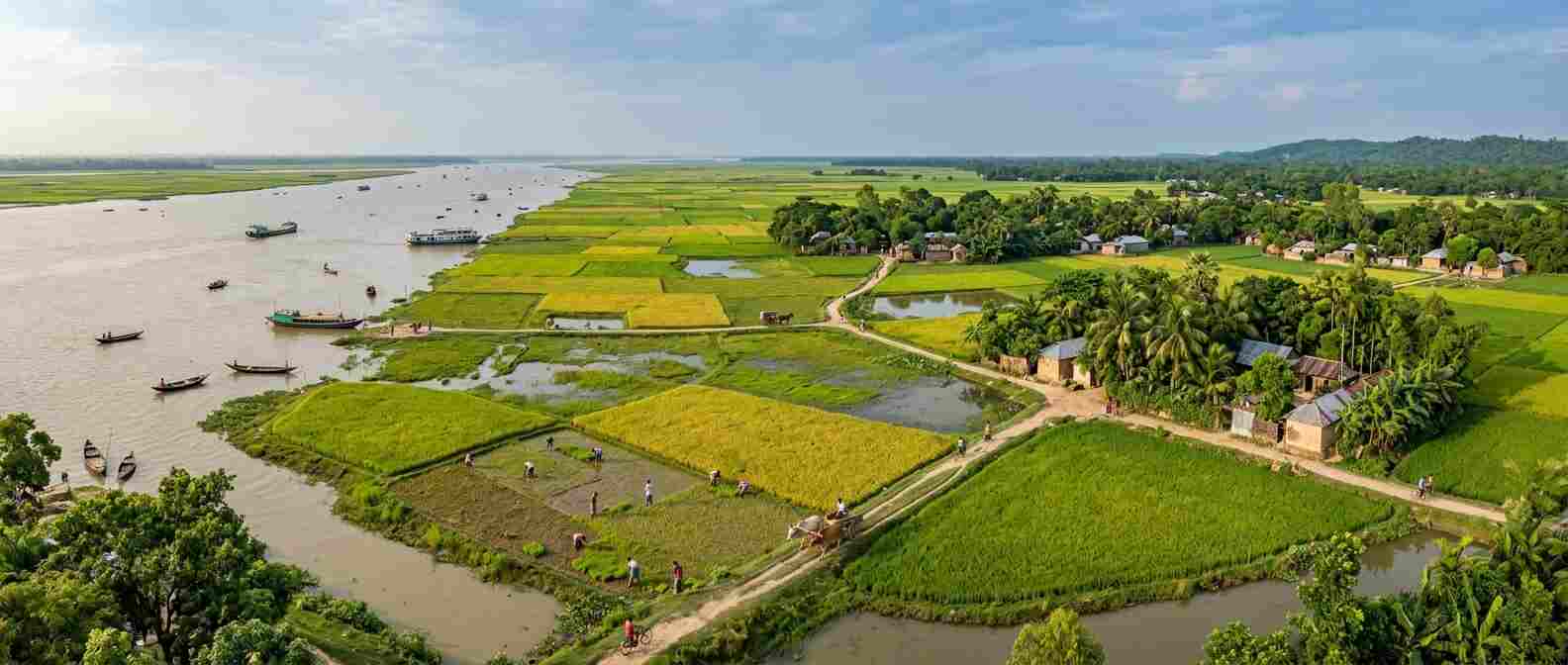 Blog
Natural Geography and Environmental Features of Tangail in Bangladesh: A Detailed Study of Rivers, Climate, and Biodiversity
Blog
Natural Geography and Environmental Features of Tangail in Bangladesh: A Detailed Study of Rivers, Climate, and Biodiversity