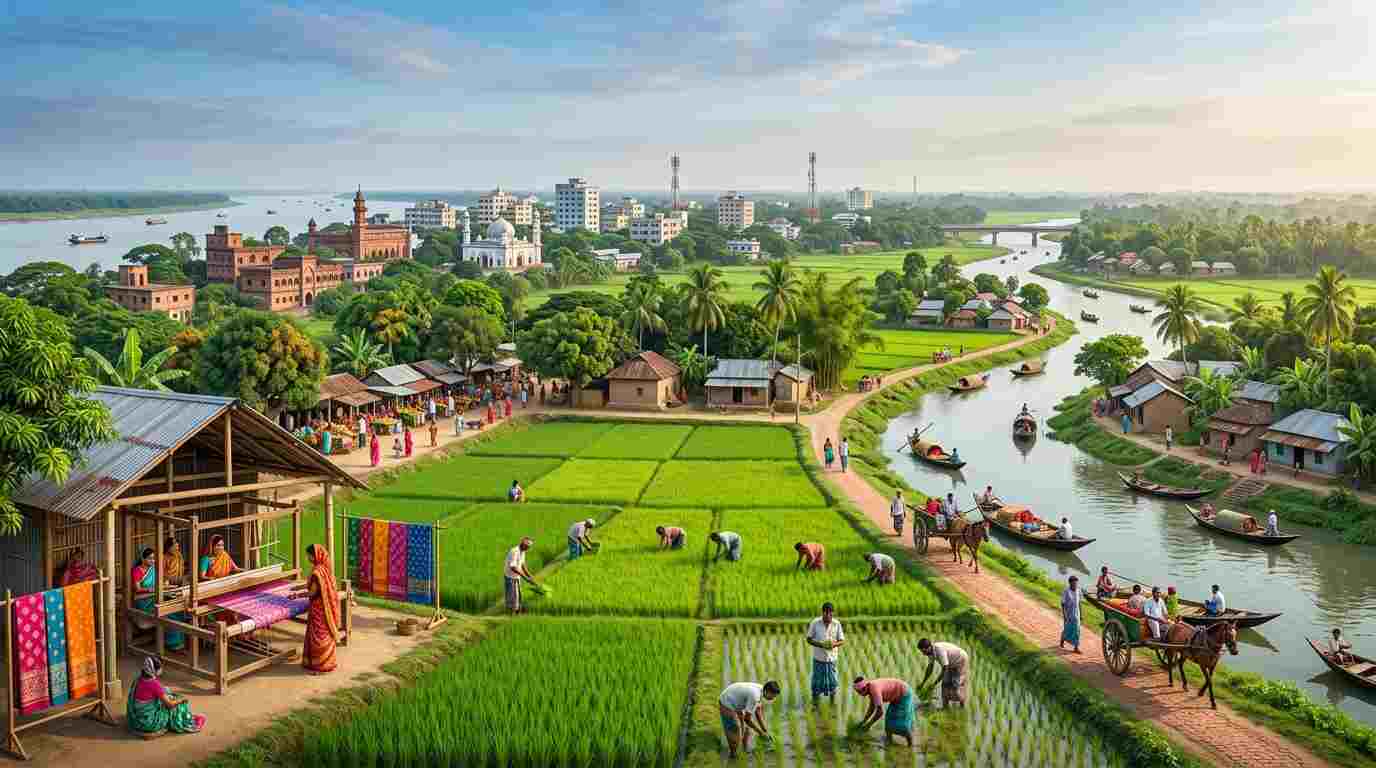
- Cetagory Blog Famous Personalities from Tangail: Celebrating the Legends of Culture, Politics, and Innovation
- BD NAME LIST
Historical Figures from Tangail
Tangail has been the birthplace of several historical figures who played significant roles in shaping Bangladesh’s political and cultural history. These individuals are remembered for their leadership, courage, and dedication to society.
Maulana Abdul Hamid Khan Bhashani – The Red Maulana
One of Tangail’s most prominent historical figures is Maulana Abdul Hamid Khan Bhashani, often referred to as the “Red Maulana” for his socialist and progressive ideology. Born in 1880 in Tangail, Bhashani emerged as a powerful political leader, advocating for peasant rights and social justice.
Bhashani was instrumental in the formation of political movements during the British colonial period and later in East Pakistan. He was a key voice for the marginalized, inspiring generations with his vision of equality and empowerment. His leadership in the language movement and other political struggles made him a national icon.
Abdul Kader Siddique – The Freedom Fighter
Abdul Kader Siddique, another luminary from Tangail, is remembered as a courageous freedom fighter in the 1971 Liberation War of Bangladesh. He led the “Kaderia Bahini,” a group of guerrilla fighters who played a crucial role in resisting the Pakistani military forces.
Siddique’s dedication to the liberation movement and his subsequent political career as a member of parliament reflect his enduring commitment to the nation. His life story continues to inspire young generations in Tangail and across Bangladesh.
Literary and Cultural Icons from Tangail
Tangail has long been a hub of literary and cultural activity. Its natives have produced poets, writers, musicians, and artists who have enriched Bangladesh’s cultural heritage.
Shamsur Rahman – The Poet of the People
Though Shamsur Rahman was born in Dhaka, he spent part of his early life in Tangail, which influenced his poetic sensibilities. Known as one of Bangladesh’s greatest modern poets, Rahman’s work often reflected the struggles and aspirations of ordinary people.
His poems blended political consciousness with deep emotional resonance, earning him accolades nationally and internationally. Tangail proudly claims its connection to Rahman as a part of its rich literary tradition.
Rokeya Sakhawat Hossain – Women’s Rights Pioneer
Rokeya Sakhawat Hossain, born in the nearby region of Rangpur but with family roots in Tangail, was a pioneering feminist, educationist, and social reformer. She devoted her life to promoting education among women and fighting for gender equality in early 20th-century Bengal.
Her establishment of schools and advocacy for women’s literacy laid the foundation for modern women’s education in Bangladesh. Her legacy continues to influence educational initiatives in Tangail and beyond.
Notable Artists and Musicians
Tangail has also contributed significantly to Bangladesh’s music and art scenes. Classical and modern musicians from the region have enriched Bengali music with both traditional and contemporary forms. For instance, local folk singers from Tangail have kept the Baul and Jari-Ghazi traditions alive, preserving cultural heritage for future generations.
Additionally, contemporary painters and sculptors from Tangail have gained recognition nationally, showcasing the district’s artistic vibrancy.
Political Leaders from Tangail
Tangail has produced numerous political figures who have shaped the local and national political landscape of Bangladesh.
Abdur Razzak – Parliamentarian and Social Reformer
Abdur Razzak, a respected politician from Tangail, has contributed significantly to local development projects and national policy initiatives. His tenure in parliament focused on improving education, healthcare, and rural infrastructure in Tangail.
Razzak’s work exemplifies the district’s tradition of producing leaders dedicated to social progress.
Muhammad Habibur Rahman – Diplomat and Leader
Muhammad Habibur Rahman, another influential figure, served in diplomatic and political capacities, representing Bangladesh on global platforms. His contributions to foreign policy and development initiatives helped strengthen Tangail’s and Bangladesh’s presence internationally.
Sports and Athletic Icons from Tangail
Tangail is also proud of its contribution to sports in Bangladesh. Athletes from the district have excelled in cricket, football, and athletics, making the region a hub for sports talent.
Mustafizur Rahman – Cricket Sensation
Mustafizur Rahman, born in Tangail, has become one of Bangladesh’s leading fast bowlers in international cricket. His exceptional skill in delivering off-cutters and death-over expertise has earned him global recognition.
As a role model for young cricketers in Tangail, Mustafizur demonstrates how dedication and talent can put even small-town athletes on the world stage.
Local Sports Development
Tangail has also invested in nurturing sports at the grassroots level. Numerous clubs and academies promote football, cricket, and athletics, ensuring that the district continues to produce talented athletes for national and international competitions.
Entrepreneurs and Innovators from Tangail
Innovation and entrepreneurship are increasingly shaping Tangail’s modern identity. Several business leaders and innovators from the district are making waves in industries such as textiles, technology, and education.
Textile Entrepreneurs
Tangail is famous for its handloom sarees, and local entrepreneurs have successfully transformed this traditional craft into a global business. These leaders have promoted Tangail sarees internationally, blending heritage with modern marketing strategies.
Tech Innovators
In recent years, Tangail-born tech enthusiasts have ventured into software development, IT services, and startups. These innovators contribute not only to Bangladesh’s growing IT sector but also highlight Tangail’s potential as a hub for modern entrepreneurship.
Social Activists and Philanthropists
Tangail has nurtured individuals who have dedicated their lives to social causes, helping marginalized communities, improving healthcare, and advancing education.
Community Leaders
From grassroots NGOs to large-scale charitable organizations, Tangail’s social activists are committed to tackling issues like poverty, illiteracy, and women’s empowerment. Their work ensures that Tangail remains not only culturally rich but also socially progressive.
Legacy of Famous Personalities from Tangail
The cumulative contributions of Tangail’s notable figures have significantly impacted Bangladesh’s development. Politicians, freedom fighters, writers, artists, and entrepreneurs have all showcased the district’s potential in shaping national narratives.
Tangail’s reputation as a cradle of talent stems from its strong educational institutions, vibrant cultural practices, and community-driven values. Each personality discussed above serves as a source of inspiration, proving that a relatively small district can produce individuals whose influence extends far beyond local boundaries.
Conclusion
Tangail’s rich tapestry of famous personalities reflects the diversity and dynamism of its people. From historical leaders and freedom fighters to contemporary innovators, the district has continuously nurtured talent that inspires generations. By celebrating these individuals, we not only honor their achievements but also recognize the profound impact that a region’s culture, history, and community can have in shaping influential personalities.
- Famous Personalities from Tangail: Celebrating the Legends of Culture, Politics, and Innovation
-
 Health - 02:00:52am 08-01-2026
- Exploring Transportation and Connectivity in Tangail: Roads, Railways, Rivers & Future Developments
-
Health - 01:54:52am 08-01-2026
-
 Blog
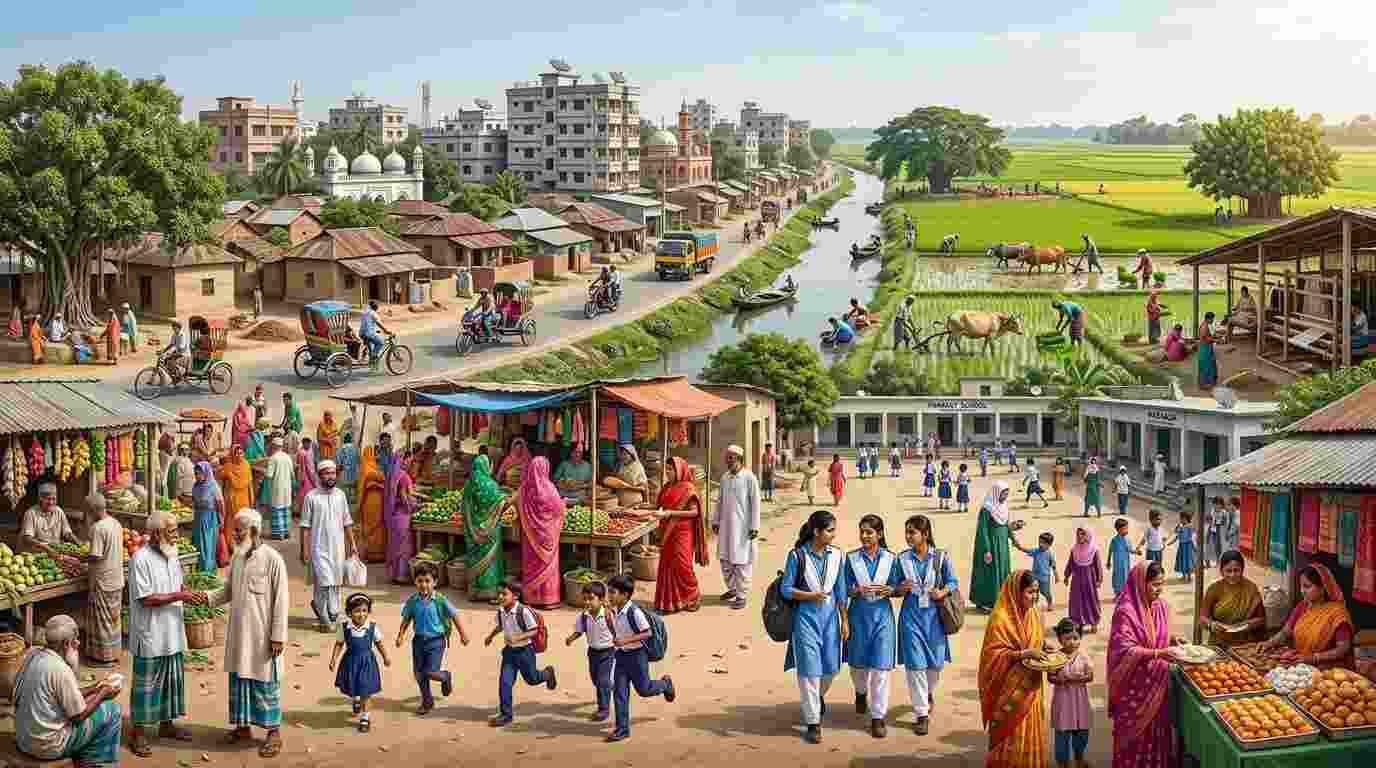
The Dynamics of Demographics and Society in Tangail, Bangladesh: Insights into Population Growth, Diversity, and Social Development
Blog
The Dynamics of Demographics and Society in Tangail, Bangladesh: Insights into Population Growth, Diversity, and Social Development
-
 Blogging
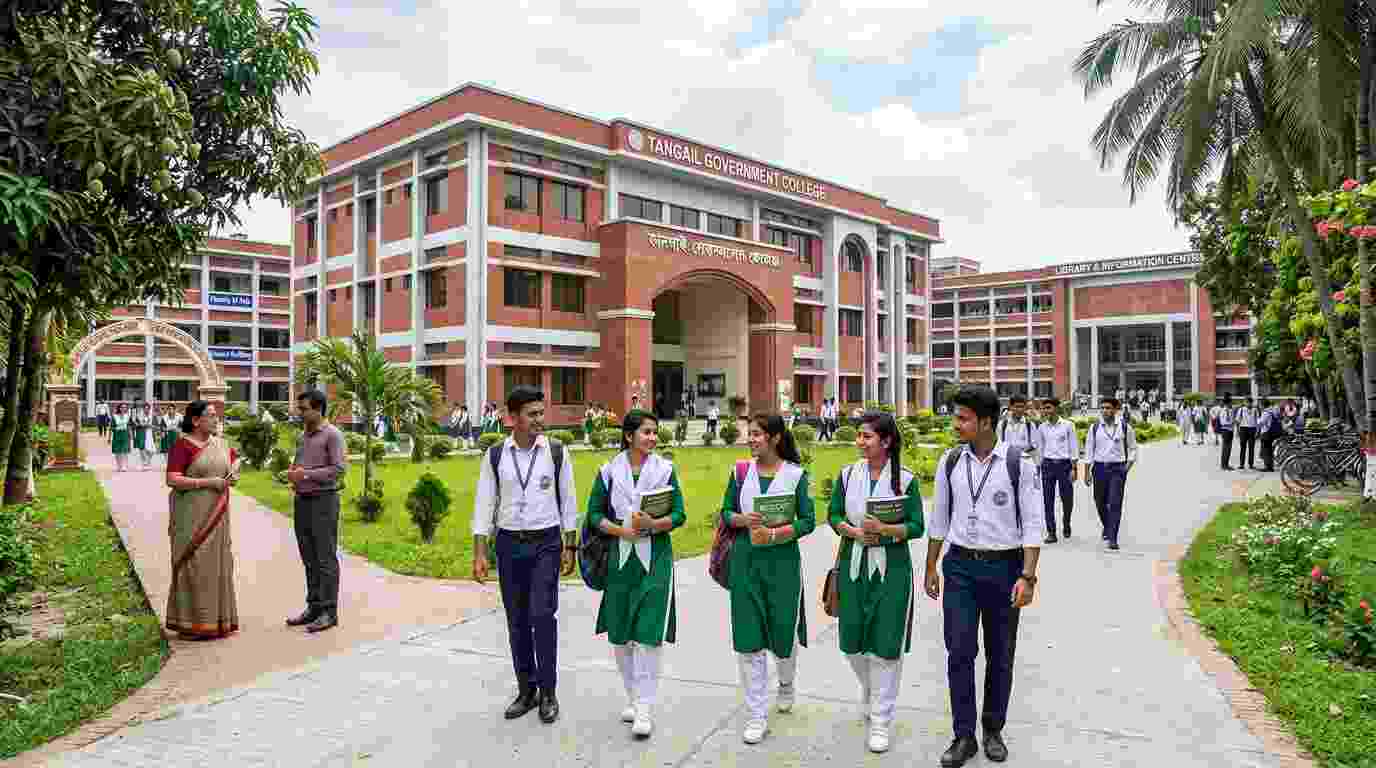
Education and Institutions in Tangail: A Comprehensive Overview of Academic Growth and Learning Infrastructure
Blogging
Education and Institutions in Tangail: A Comprehensive Overview of Academic Growth and Learning Infrastructure
-
 Blog
History of Tangail Zilla in Bangladesh: Ancient Past, British Era, Zamindar Heritage, and Modern Development
Blog
History of Tangail Zilla in Bangladesh: Ancient Past, British Era, Zamindar Heritage, and Modern Development
-
Blog
Famous Personalities from Tangail: Celebrating the Legends of Culture, Politics, and Innovation
-
 Blog
Natural Geography and Environmental Features of Tangail in Bangladesh: A Detailed Study of Rivers, Climate, and Biodiversity
Blog
Natural Geography and Environmental Features of Tangail in Bangladesh: A Detailed Study of Rivers, Climate, and Biodiversity