- Cetagory Blog Culture and Traditions in Tangail: A Deep Exploration of Heritage, Lifestyle, and Identity
- BD NAME LIST
Geographical and Historical Influence on Tangail’s Culture
Location and Cultural Crossroads
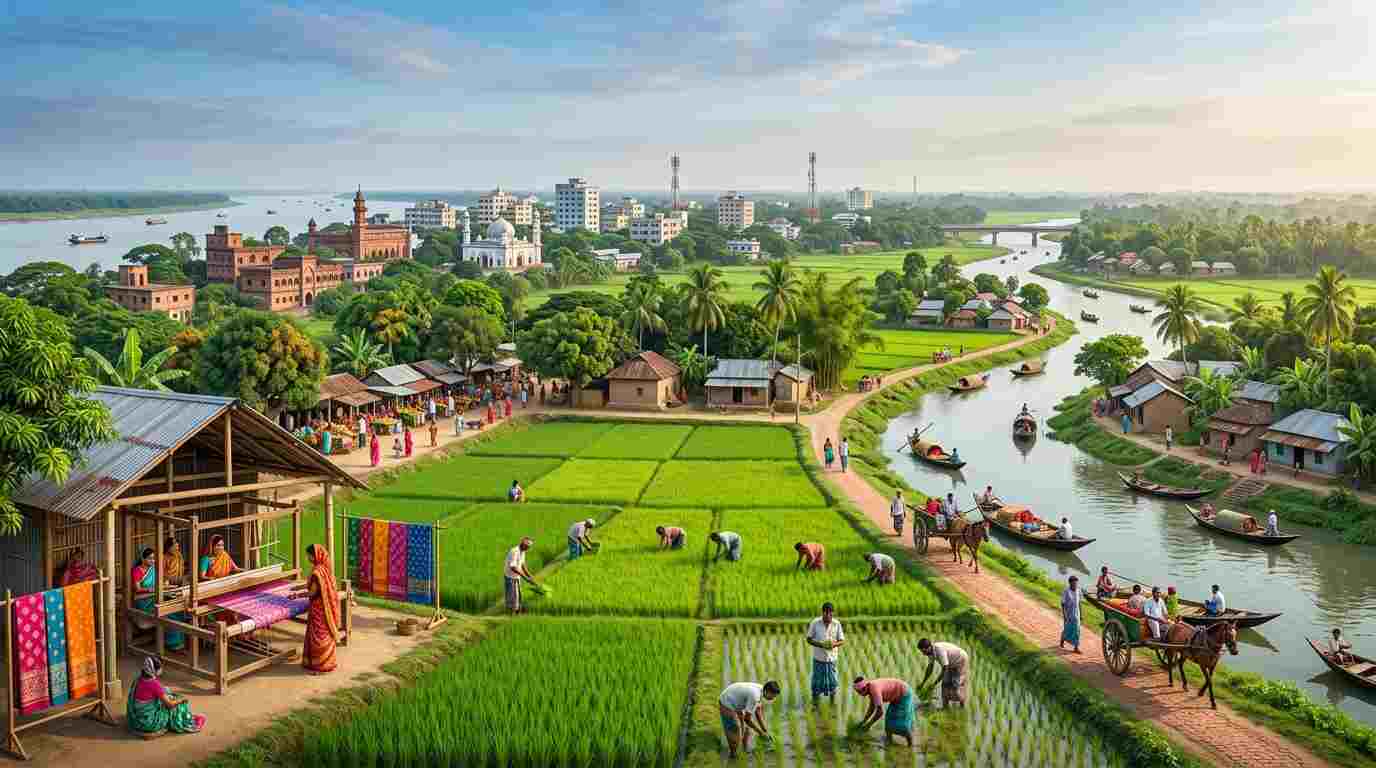
Tangail is situated between the Jamuna River and the Madhupur Tract, a location that has historically connected it to trade routes and cultural exchanges. This geographical advantage has played a significant role in shaping the district’s cultural diversity.
Historical Background and Cultural Evolution
Tangail’s cultural roots trace back to ancient Bengal civilization, influenced by Hindu, Buddhist, and later Islamic traditions. During the Mughal and British periods, Tangail emerged as a center for art, craftsmanship, and education, contributing to a rich and layered cultural evolution.
Traditional Lifestyle and Social Structure
Rural Community Life
The majority of Tangail’s population lives in villages where community life remains deeply interconnected. Neighbors support one another through shared labor, celebrations, and social responsibilities. The concept of collective living is central to Tangail’s cultural identity.
Family Structure and Social Values
Extended families are common, with strong respect for elders and emphasis on moral values. Social etiquette, hospitality, and mutual respect are deeply embedded in daily interactions.
Tangail Saree: A Cultural Icon
Origin and Significance
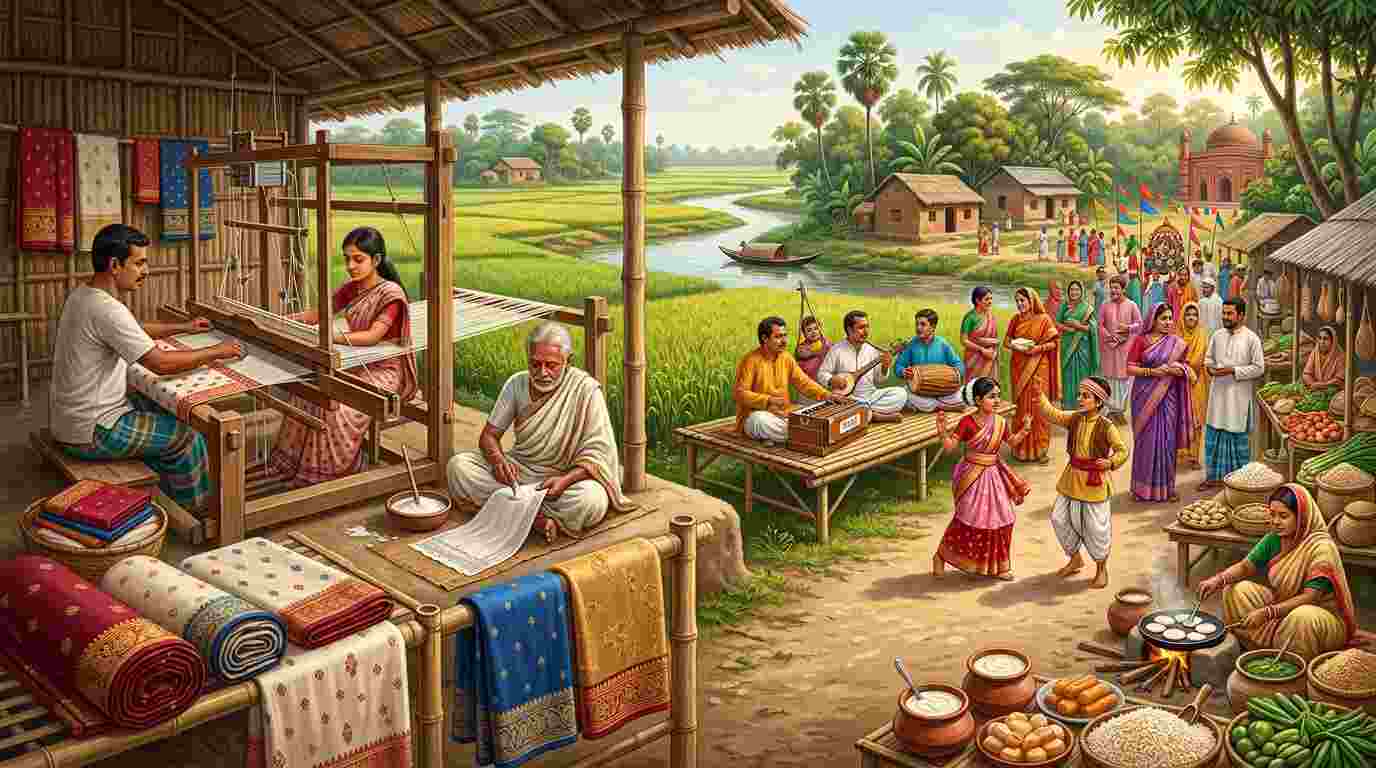
The Tangail saree is the most globally recognized cultural symbol of the district. Handwoven using fine cotton or silk, these sarees are admired for their elegance, comfort, and intricate designs.
Weaving Techniques and Motifs
Traditional handlooms produce sarees featuring floral, geometric, and paisley motifs. Artisans often use natural dyes, maintaining centuries-old weaving techniques passed down through generations.
Role in Cultural Identity
Wearing a Tangail saree is not just a fashion choice—it is a celebration of heritage. These sarees are worn during weddings, festivals, and cultural ceremonies across Bangladesh.
Folk Music and Performing Arts
Baul and Folk Songs
Tangail has a strong tradition of Baul music, which emphasizes spiritual philosophy, humanism, and love. Baul singers use simple instruments such as the ektara and dotara to express deep emotional and spiritual messages.
Jari, Sari, and Bhatiyali Songs
Traditional folk music styles like Jari and Bhatiyali reflect river life, agriculture, and social themes. These songs are often performed during harvest seasons and community gatherings.
Folk Dance and Drama
Local folk dances and rural theater performances are common during festivals, portraying mythological stories, historical events, and moral lessons.
Festivals and Religious Traditions
Eid Celebrations
Eid-ul-Fitr and Eid-ul-Adha are celebrated with great enthusiasm. Families prepare special foods, wear new clothes, and visit relatives, strengthening social bonds.
Durga Puja and Hindu Festivals
Tangail has a vibrant Hindu community that celebrates Durga Puja, Kali Puja, and Saraswati Puja. These festivals showcase elaborate decorations, cultural programs, and traditional rituals.
Pahela Baishakh (Bengali New Year)
Pahela Baishakh is one of the most culturally significant festivals. People dress in traditional attire, enjoy fairs, folk music, and traditional foods, celebrating Bengali identity and unity.
Traditional Food and Culinary Heritage
Everyday Cuisine
Rice is the staple food, accompanied by lentils, vegetables, fish, and meat. Freshwater fish from rivers and ponds play a vital role in daily meals.
Traditional Dishes of Tangail
-
Chitol Maacher Muitha
-
Panta Bhat with Ilish
-
Homemade sweets like pitha
-
Seasonal vegetable curries
Pitha Culture
Pitha (traditional rice cakes) are an essential part of Tangail’s winter culture. Varieties such as bhapa pitha, chitoi pitha, and patishapta are prepared during social gatherings and festivals.
Marriage Customs and Family Traditions
Wedding Rituals
Traditional weddings in Tangail are multi-day events involving rituals like gaye holud, nikah, and bou bhat. Music, dance, and traditional foods are central elements.
Social Importance of Marriage
Marriage is viewed as a union of families rather than individuals. Community participation and mutual respect play significant roles in wedding ceremonies.
Clothing and Traditional Attire
Traditional Dress for Men
Men traditionally wear dhoti or lungi with panjabi, especially during religious and cultural events.
Traditional Dress for Women
Women wear sarees, especially Tangail sarees, paired with traditional jewelry such as gold bangles and nose rings during festivals and weddings.
Folk Beliefs and Cultural Practices
Village Traditions and Customs
Many villages still follow traditional customs related to agriculture, childbirth, and seasonal changes. These practices are deeply connected to nature and ancestral beliefs.
Respect for Nature
Cultural traditions emphasize harmony with nature, seen in agricultural rituals, river worship, and seasonal celebrations.
Language and Literature
Bengali Dialect of Tangail
The local Bengali dialect has distinct expressions and pronunciations, reflecting regional identity.
Literary Contributions
Tangail has produced poets, writers, and intellectuals who contributed significantly to Bengali literature, education, and journalism.
Art, Handicrafts, and Local Industries
Handloom and Craftsmanship
Beyond sarees, Tangail artisans create gamchas, shawls, and household textiles that reflect cultural aesthetics.
Pottery and Bamboo Crafts
Traditional pottery and bamboo crafts are still practiced, supplying household items and decorative pieces.
Cultural Transformation in Modern Times
Influence of Urbanization
While modernization has introduced new lifestyles, traditional values remain strong, especially in rural areas.
Preservation of Cultural Heritage
Local organizations, cultural festivals, and educational institutions play a vital role in preserving Tangail’s traditions for future generations.
Role of Culture in Social Harmony
Interfaith Coexistence
Tangail is known for peaceful coexistence among Muslims, Hindus, and other communities, united through shared cultural practices.
Community Bonding
Cultural events, festivals, and social rituals continue to strengthen communal harmony and identity.
Tourism and Cultural Attraction
Cultural Tourism
Visitors are attracted to Tangail for its handloom villages, traditional fairs, folk music, and historical sites.
Cultural Festivals as Attractions
Local fairs and festivals offer tourists a chance to experience authentic rural culture and traditional craftsmanship.
Challenges and Future of Tangail’s Culture
Threats to Traditional Practices
Industrialization and globalization pose challenges to traditional crafts and folk traditions.
Sustainable Cultural Development
Efforts to promote handloom industries, cultural education, and heritage tourism are essential for sustaining Tangail’s cultural legacy.
Conclusion
The culture and traditions of Tangail are a living testament to the district’s historical depth, artistic excellence, and social harmony. From its iconic handloom sarees and folk music to vibrant festivals, traditional cuisine, and community values, Tangail represents the heart of Bengali cultural heritage. Despite the challenges of modernization, the people of Tangail continue to preserve their traditions with pride, ensuring that their cultural identity remains vibrant for generations to come.

- Famous Personalities from Tangail: Celebrating the Legends of Culture, Politics, and Innovation
-
 Health - 02:00:52am 08-01-2026
- Exploring Transportation and Connectivity in Tangail: Roads, Railways, Rivers & Future Developments
-
Health - 01:54:52am 08-01-2026
-
 Blog
The Dynamics of Demographics and Society in Tangail, Bangladesh: Insights into Population Growth, Diversity, and Social Development
Blog
The Dynamics of Demographics and Society in Tangail, Bangladesh: Insights into Population Growth, Diversity, and Social Development
-
 Blogging
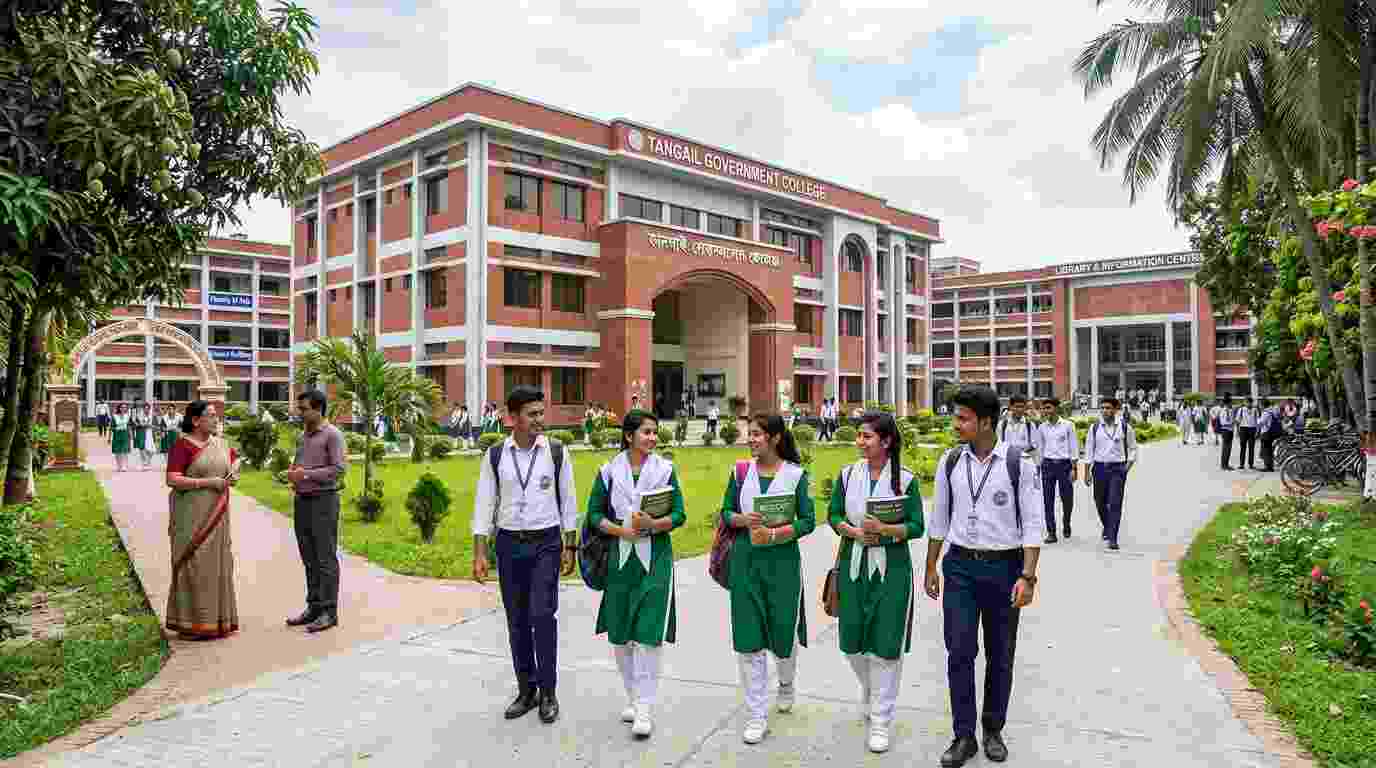
Education and Institutions in Tangail: A Comprehensive Overview of Academic Growth and Learning Infrastructure
Blogging
Education and Institutions in Tangail: A Comprehensive Overview of Academic Growth and Learning Infrastructure
-
 Blog
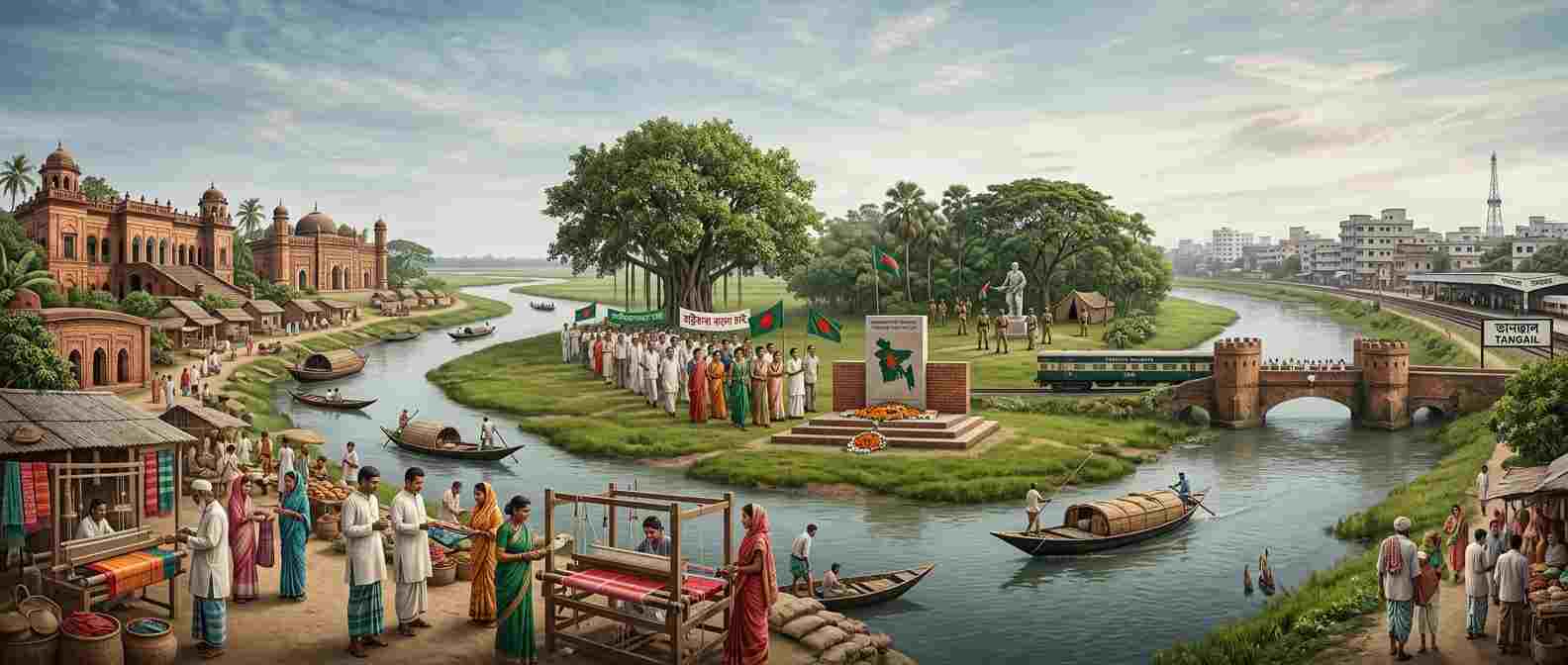
History of Tangail Zilla in Bangladesh: Ancient Past, British Era, Zamindar Heritage, and Modern Development
Blog
History of Tangail Zilla in Bangladesh: Ancient Past, British Era, Zamindar Heritage, and Modern Development
-
Blog
Famous Personalities from Tangail: Celebrating the Legends of Culture, Politics, and Innovation
-
 Blog
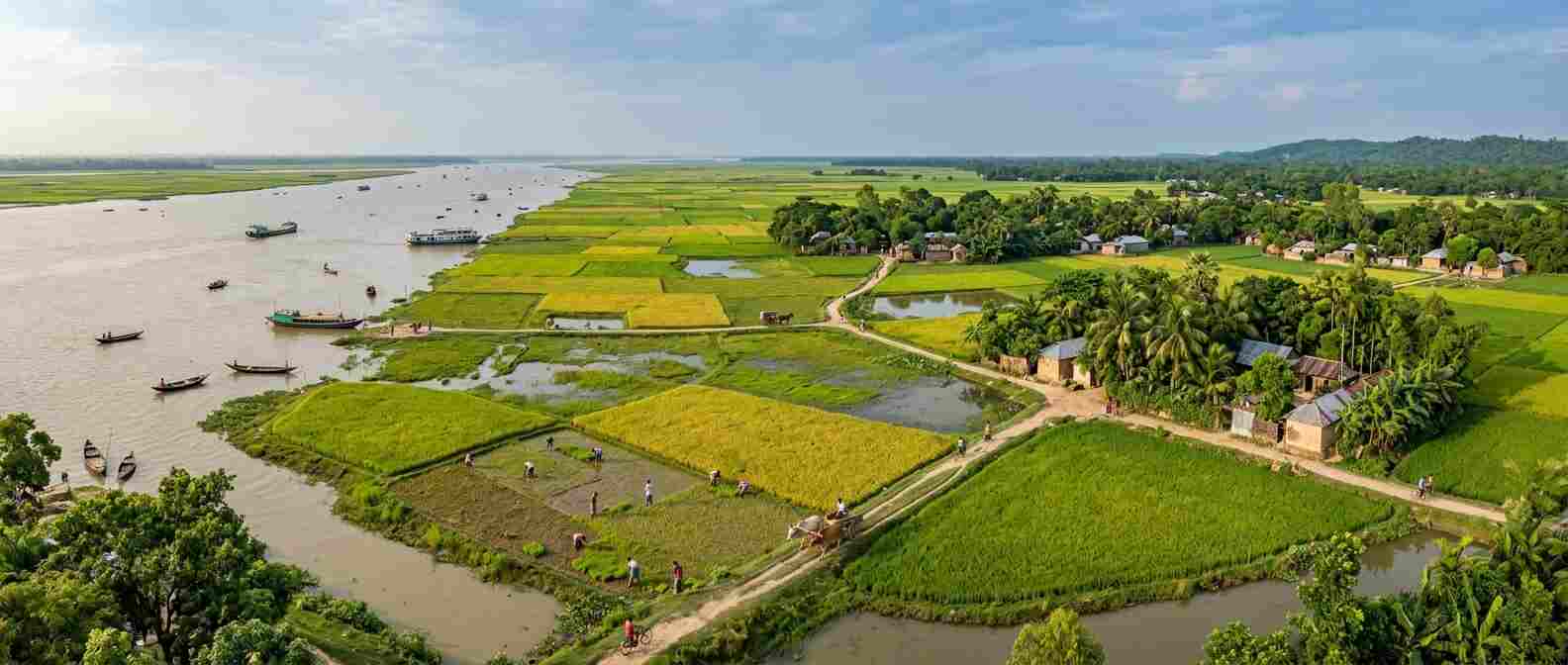
Natural Geography and Environmental Features of Tangail in Bangladesh: A Detailed Study of Rivers, Climate, and Biodiversity
Blog
Natural Geography and Environmental Features of Tangail in Bangladesh: A Detailed Study of Rivers, Climate, and Biodiversity