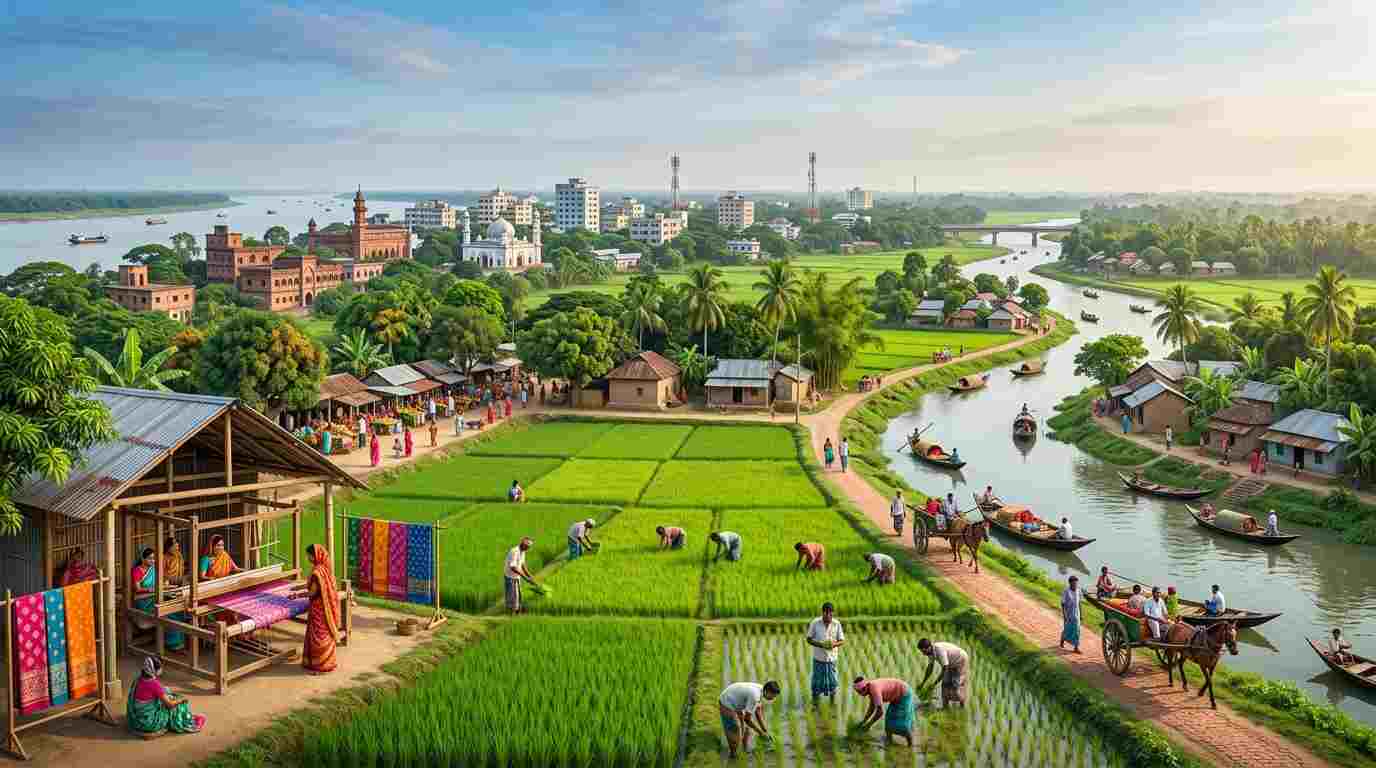
- Cetagory Blog Tourist Attractions in Tangail: Discover the Hidden Natural Beauty, Heritage, and Culture of Bangladesh
- BD NAME LIST
Introduction to Tangail
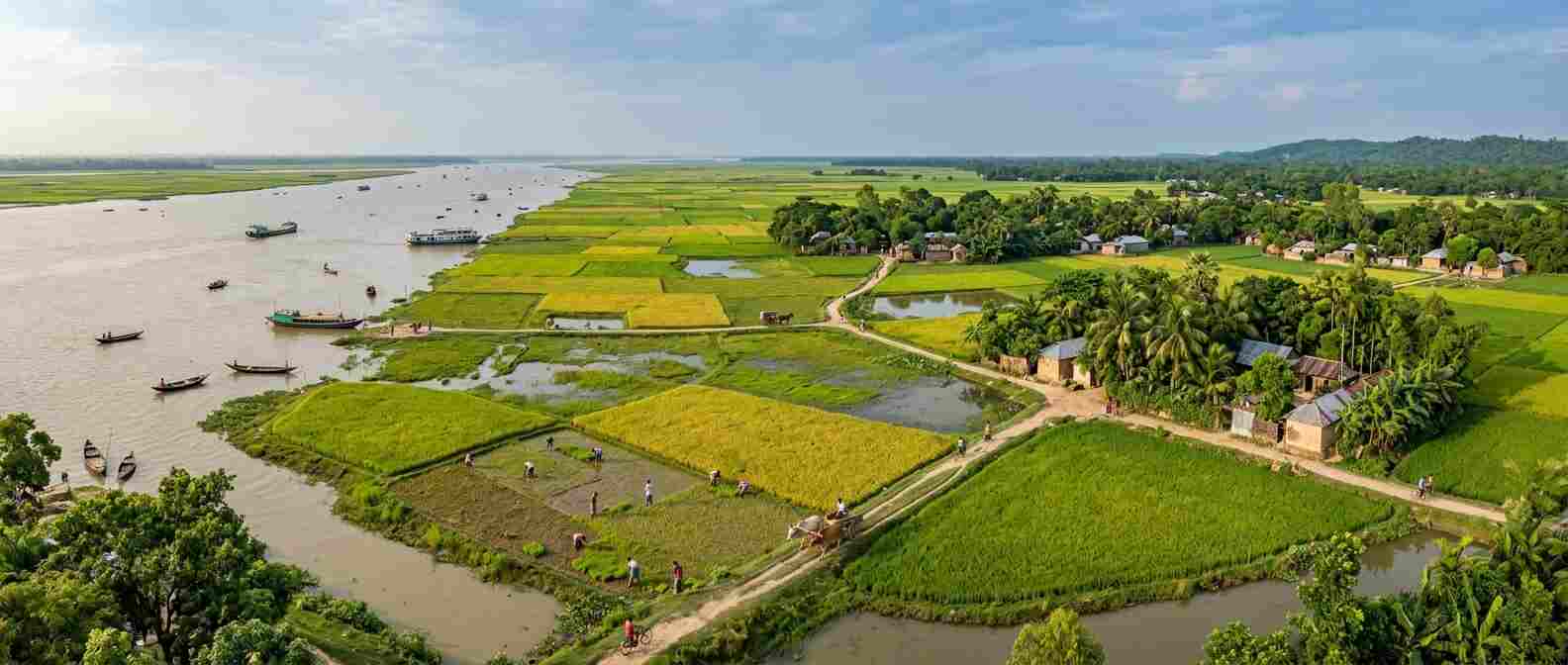
Tangail is a culturally rich district in Dhaka Division, nestled between the mighty rivers Jamuna, Dhaleshwari, and Louhajang. Its strategic position and fertile plains have made it both historically significant and agriculturally prosperous. Tangail is particularly famous for its handwoven sarees, historical sites, forest landscapes, and rural charm.
Why Visit Tangail – Tourism Overview
While it may not be as internationally famous as some Bangladeshi destinations, Tangail offers a unique blend of attractions that reflect the best of rural heritage, architectural beauty, and natural ecosystems. Whether you’re exploring ancient mosques, admiring zamindar-era palaces, or trekking through forests, Tangail presents an authentic Bangladeshi travel experience.
Top Natural Attractions
Madhupur National Park
Madhupur National Park is one of the oldest and most picturesque forests in Bangladesh, largely covered by tall Sal trees and rich biodiversity. The park spans thousands of acres and features walking trails, wildlife, and scenic spots perfect for nature lovers and outdoor enthusiasts.
Highlights:
-
Serene forest landscapes
-
Deer breeding center
-
Bird watching and wildlife photography
-
Ideal for trekking and picnics
Travel Tips: Visit during the cooler months (November–February) when temperatures are pleasant for exploration.
Basail & Chapra Bill
Basail is a sub-district of Tangail known for its lush countryside and seasonal wetlands like Chapra Bill. These scenic expanses fill with water during the monsoon season, creating a breathtaking floodplain vista filled with native flora and fauna.
Best Time to Visit: Monsoon and post-monsoon seasons when the water and greenery are at their peak.
DC Lake Recreational Area
Located near Tangail town, DC Lake combines natural beauty with family-friendly amenities. Boating facilities, well-kept walking paths, and play areas make this site ideal for afternoon outings or picnic gatherings with loved ones.
Quick Tip: Visit late afternoon for cooler temperatures and wonderful sunset views over the water.
Historic & Cultural Landmarks
Atia Mosque
One of the most iconic historical structures in Tangail, the Atia Mosque dates back to the 17th century and showcases magnificent Mughal-era architecture, with ornate terracotta work and multiple domes.
Interesting Fact: The mosque was featured on the old Bangladeshi 10-taka banknote, highlighting its cultural significance.
Visitor Highlights:
-
Traditional Islamic and Mughal architectural blend
-
Close proximity to the Louhajang River
-
Quiet, tranquil atmosphere for reflection
Dhanbari Mosque
Another historic mosque in Tangail, the Dhanbari Mosque, is known for its classic Mughal-period design and serene environment. Located in Dhanbari Upazila, it represents centuries-old religious and architectural heritage.
Tips: Combine this visit with nearby heritage sites like the Dhanbari Nawab Palace for a full cultural day.
The 201 Dome Mosque – A Modern Marvel
One of Tangail’s most unique attractions is the futuristic 201 Dome Mosque in Gopalpur Upazila. Completed in recent years, this mosque features a central dome surrounded by 200 smaller domes — making it a stunning architectural spectacle.
Key Features:
-
Capacity for thousands of worshippers
-
Grand design with nine minarets
-
Adjacent facilities like an orphanage, elder care center, and free hospital
Historic Zamindar Palaces
Tangail boasts several zamindar estates (mansions of former landlords), each with unique architectural charm and historical stories.
Mohera Zamindar Bari
Located in Mirzapur, this 19th-century mansion showcases colonial-era architecture, sprawling gardens, and estate buildings that reflect the lifestyle of wealthy Bengali landowners.
Pakutia Zamindar Bari
Pakutia’s historic palace features striking facades, ornamental pillars, and period architecture. A visit here offers a photo-worthy glimpse into Bangladesh’s aristocratic past
Hemnagar Zamindar Bari
Another splendid historical estate nearby, Hemnagar showcases detailed arches, elegant courtyards, and remnants of its vivid past.
Korotia Zamindar Bari
Situated close to Tangail town, the Korotia Zamindar Bari is one of the most iconic urban mansions in the region. Its intricate designs, old-world charm, and peaceful surroundings attract history lovers and photographers alike.
Dhanbari Nawab Palace
This expansive palace complex once housed the Nawabs of Dhanbari and now serves as a cultural retreat offering a glimpse into aristocratic life. Part of the estate has been converted into a resort, where visitors can enjoy scenic gardens and traditional architecture.
Sagordighi & Upandre Sarobar
These beautiful natural water bodies offer peaceful landscapes and are popular among local picnickers. They’re also great spots for quiet photography or a reflective stroll.
Major Architectural & Recreational Spots
Jamuna Bridge
One of Bangladesh’s most remarkable engineering feats, the Bangabandhu Bridge links Tangail to Sirajganj across the Jamuna River. Beyond its utility, it’s an excellent spot for panoramic river views and photography.
Travel Tip: Visit at sunset to witness the bridge silhouetted against fiery skies.
Shahid Smriti Park
A heartfelt memorial dedicated to Liberation War martyrs, this park blends serene landscaping with historical significance. It’s a peaceful place for reflection, family picnics, or leisurely walks.
Tangail Stadium
Built in 1938, the Shahid Maruf Stadium is an important sports venue in the district, hosting football, cricket, and cultural events. Though not a traditional tourist site, the stadium is a local attraction worth seeing for sports fans.
Cultural Experiences & Unique Local Flavors
Tangail Saree – The Soul of Local Craft
Perhaps the most celebrated cultural export of Tangail is the Tangail Saree — a handloom masterpiece known for its finesse, colorful designs, and artistic weave.
Why It’s Special:
-
Intricate patterns reflecting traditional motifs
-
Made with cotton, silk, or mixed fibers
-
A living craft still practiced in hundreds of villages
Pro Travel Tip: Visit local weaving villages or markets to see artisans at work and pick up authentic sarees directly from the weavers.
Local Cuisine & Markets
While exploring Tangail, don’t miss local specialties like sweet Cham-Cham (a traditional Bengali confection) and bustling street markets. Tangail’s local culinary scene brings together rural flavors and beloved desserts.
Practical Travel Tips
Best Time to Visit
-
Peak Season: November to February – cool, dry weather perfect for exploring outdoors.
-
Low Season: Monsoon months (June–September) bring lush landscapes but can be humid.
How to Reach Tangail
Tangail is easily reachable from Dhaka by road or rail. Frequent buses and trains connect the district to the capital and other major cities. Tangail Railway Station serves as a busy transport hub.
Accommodation Options
Tangail offers a range of accommodation options from local guesthouses and homestays to riverside resorts and heritage inns. Popular choices often book up during peak seasons, so advanced planning helps.
Conclusion
Tangail may be an underrated destination, but it offers a rich mosaic of nature, history, culture, and craft that few other places can match. From the historic Atia Mosque and majestic 201 Dome Mosque to lush forests and peaceful lakes, Tangail promises unforgettable experiences for every traveler. Start planning your journey and discover the hidden gems of Tangail — where heritage meets natural splendor!

- Famous Personalities from Tangail: Celebrating the Legends of Culture, Politics, and Innovation
-
 Health - 02:00:52am 08-01-2026

- Exploring Transportation and Connectivity in Tangail: Roads, Railways, Rivers & Future Developments
-
Health - 01:54:52am 08-01-2026
-
 Blog
The Dynamics of Demographics and Society in Tangail, Bangladesh: Insights into Population Growth, Diversity, and Social Development
Blog
The Dynamics of Demographics and Society in Tangail, Bangladesh: Insights into Population Growth, Diversity, and Social Development
-
 Blogging
Education and Institutions in Tangail: A Comprehensive Overview of Academic Growth and Learning Infrastructure
Blogging
Education and Institutions in Tangail: A Comprehensive Overview of Academic Growth and Learning Infrastructure
-
 Blog
History of Tangail Zilla in Bangladesh: Ancient Past, British Era, Zamindar Heritage, and Modern Development
Blog
History of Tangail Zilla in Bangladesh: Ancient Past, British Era, Zamindar Heritage, and Modern Development
-
Blog
Famous Personalities from Tangail: Celebrating the Legends of Culture, Politics, and Innovation
-
 Blog
Natural Geography and Environmental Features of Tangail in Bangladesh: A Detailed Study of Rivers, Climate, and Biodiversity
Blog
Natural Geography and Environmental Features of Tangail in Bangladesh: A Detailed Study of Rivers, Climate, and Biodiversity